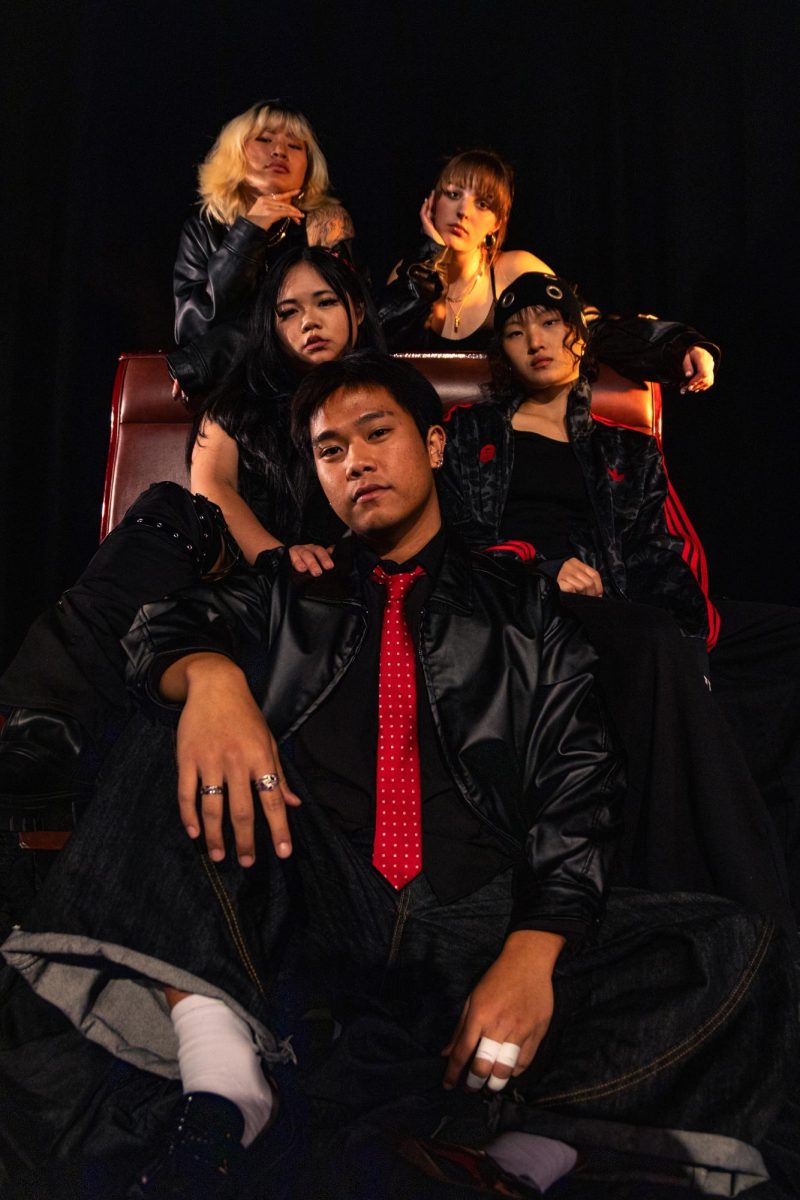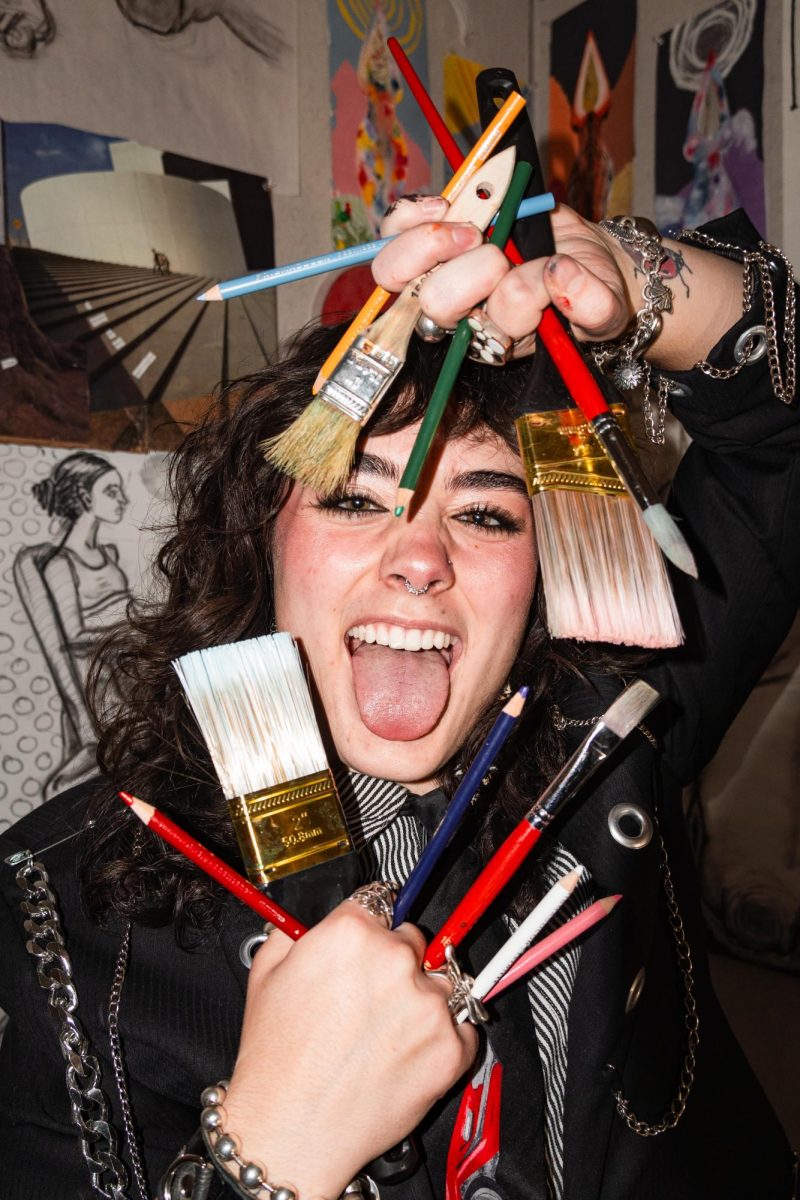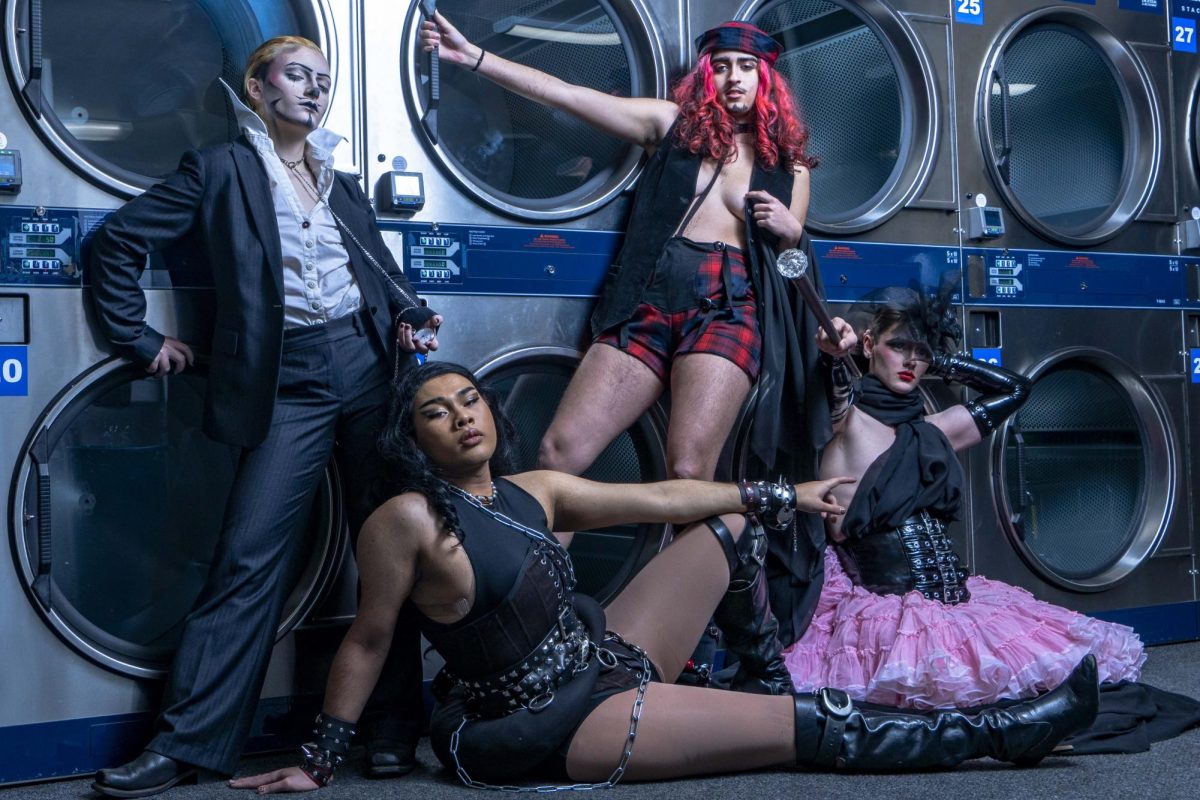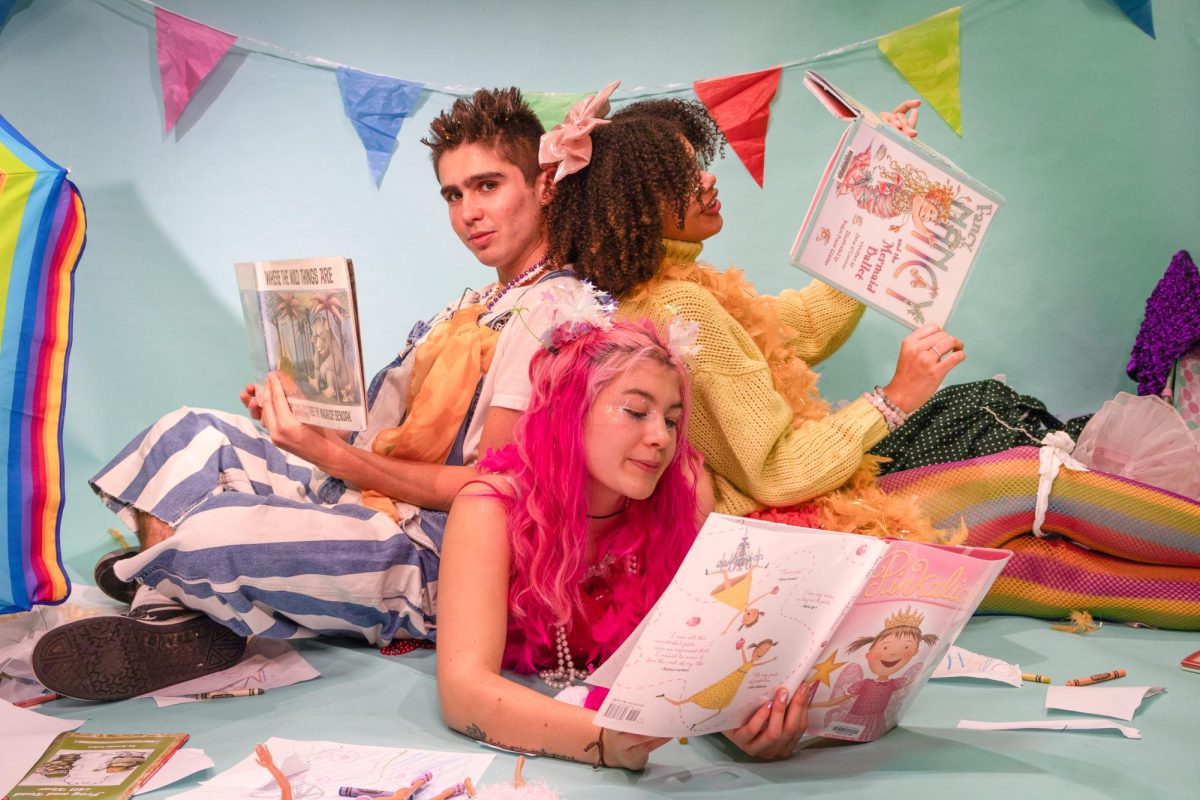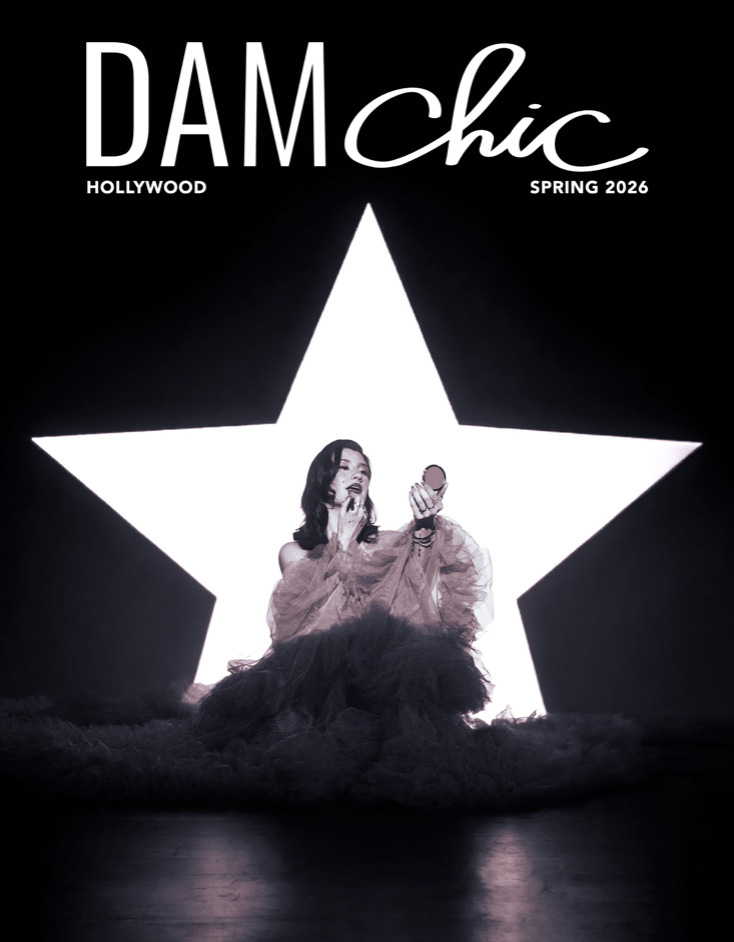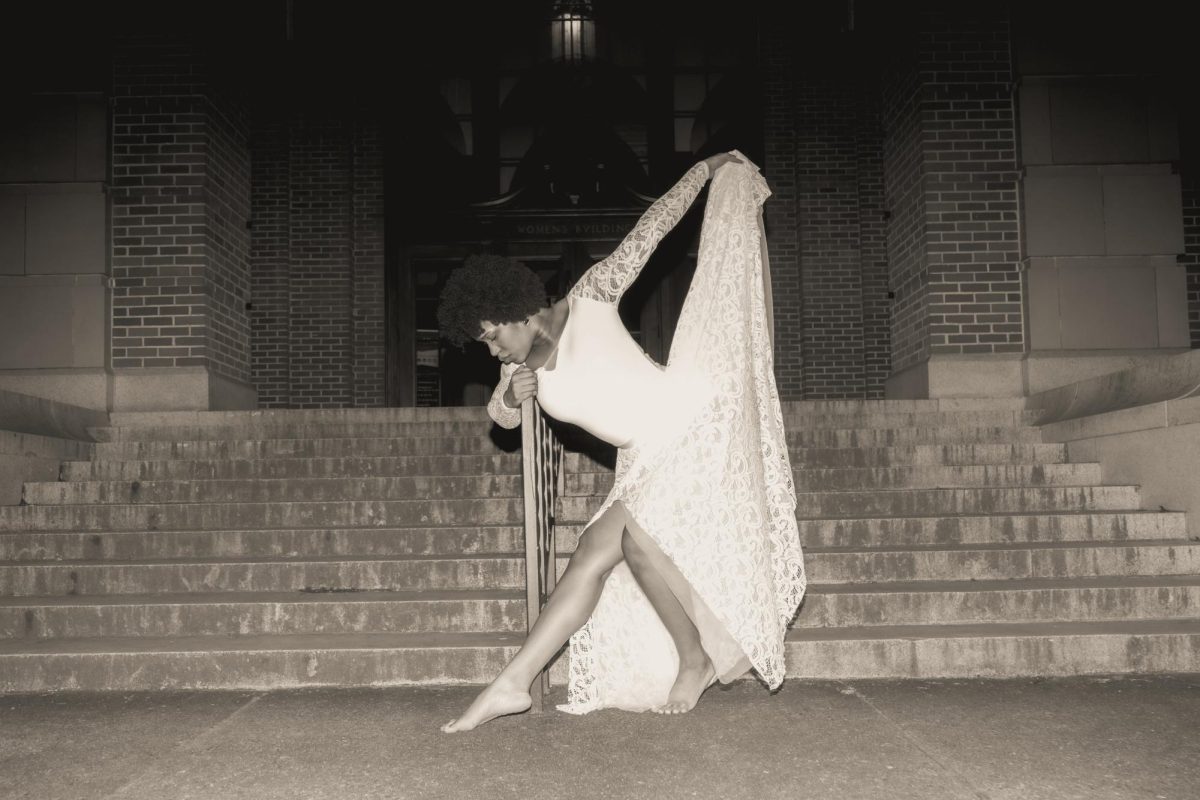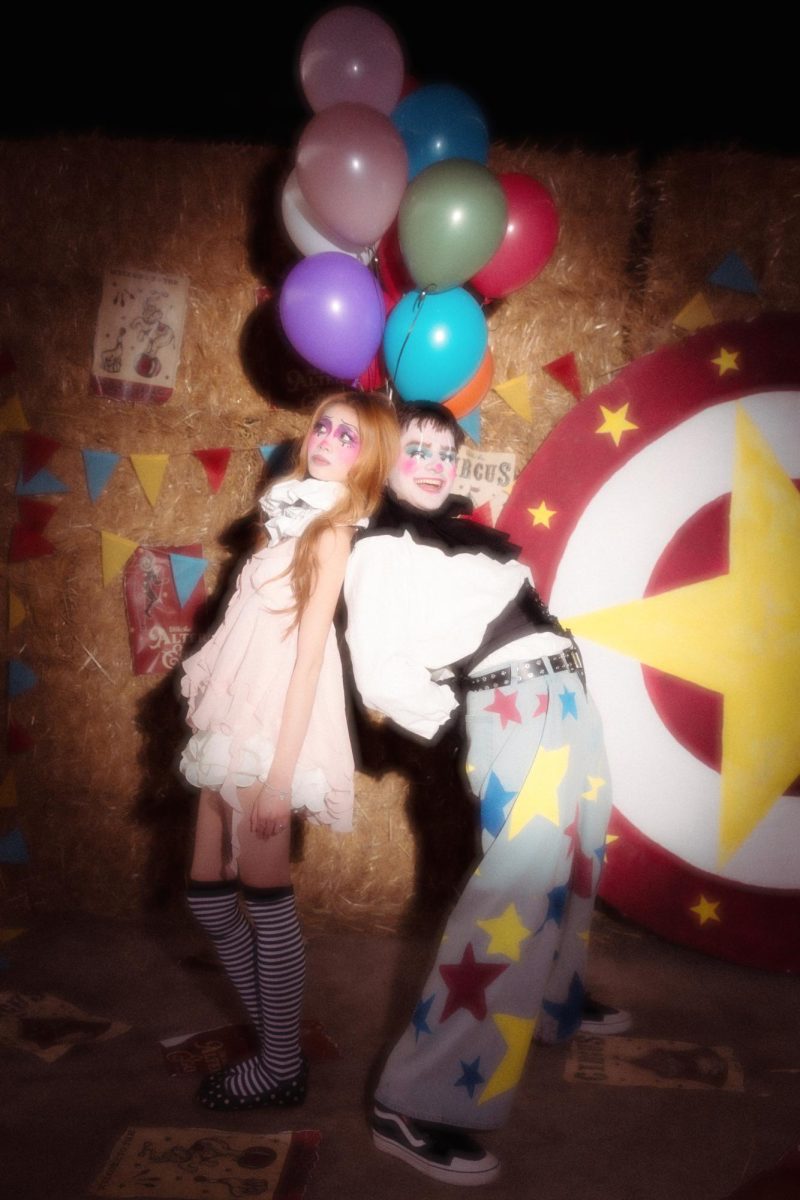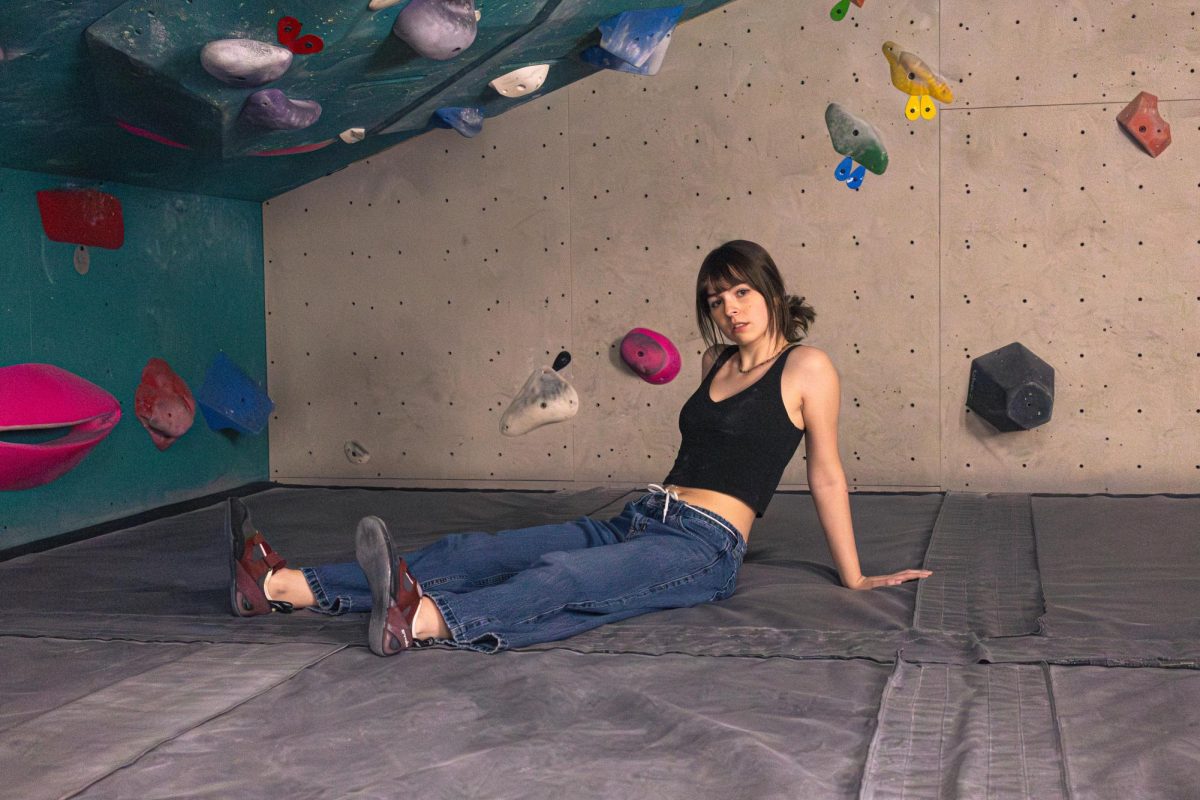

For K-pop groups the visuals or “concepts” shape how each era is understood before the music even drops.
“Concepts are used to present a visualization of each comeback to engage the fans in the lore and storytelling of each album,” says avid K-pop fan Ashtyn Dertina. “Western pop music is just that: pop music. The fans aren’t looking for the story behind every album.”
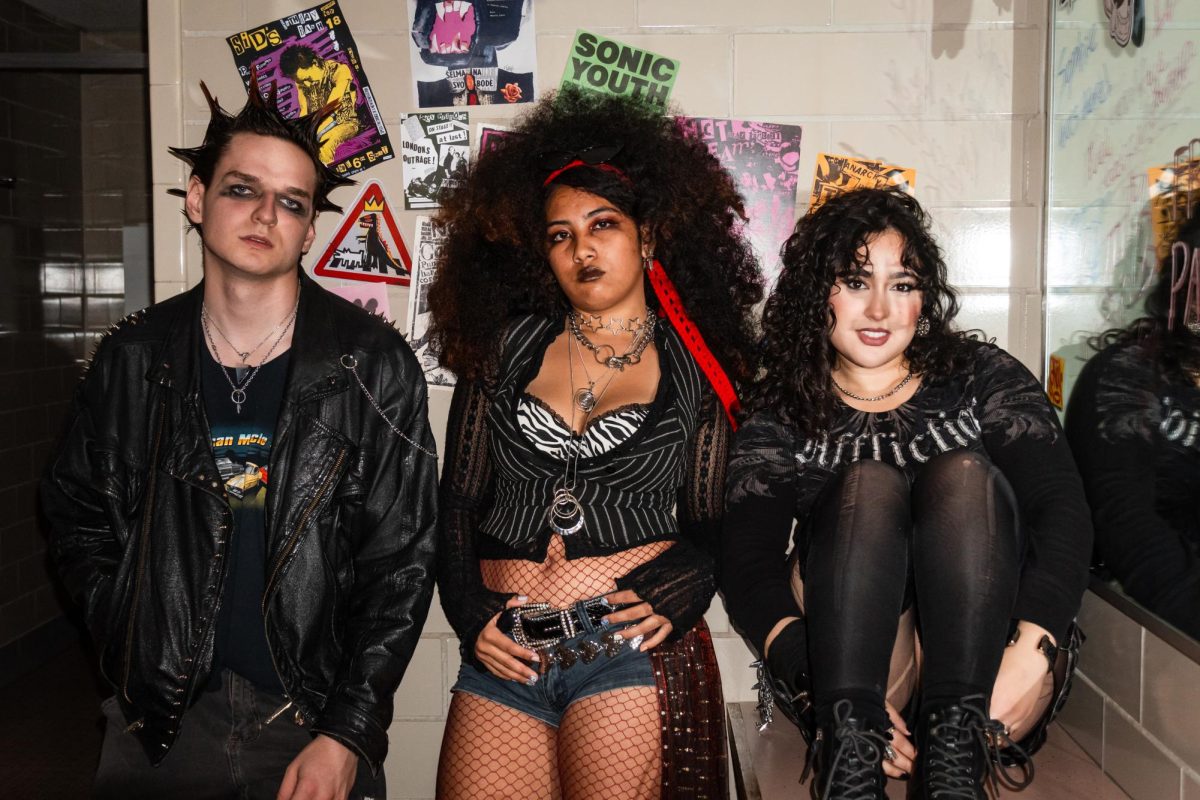
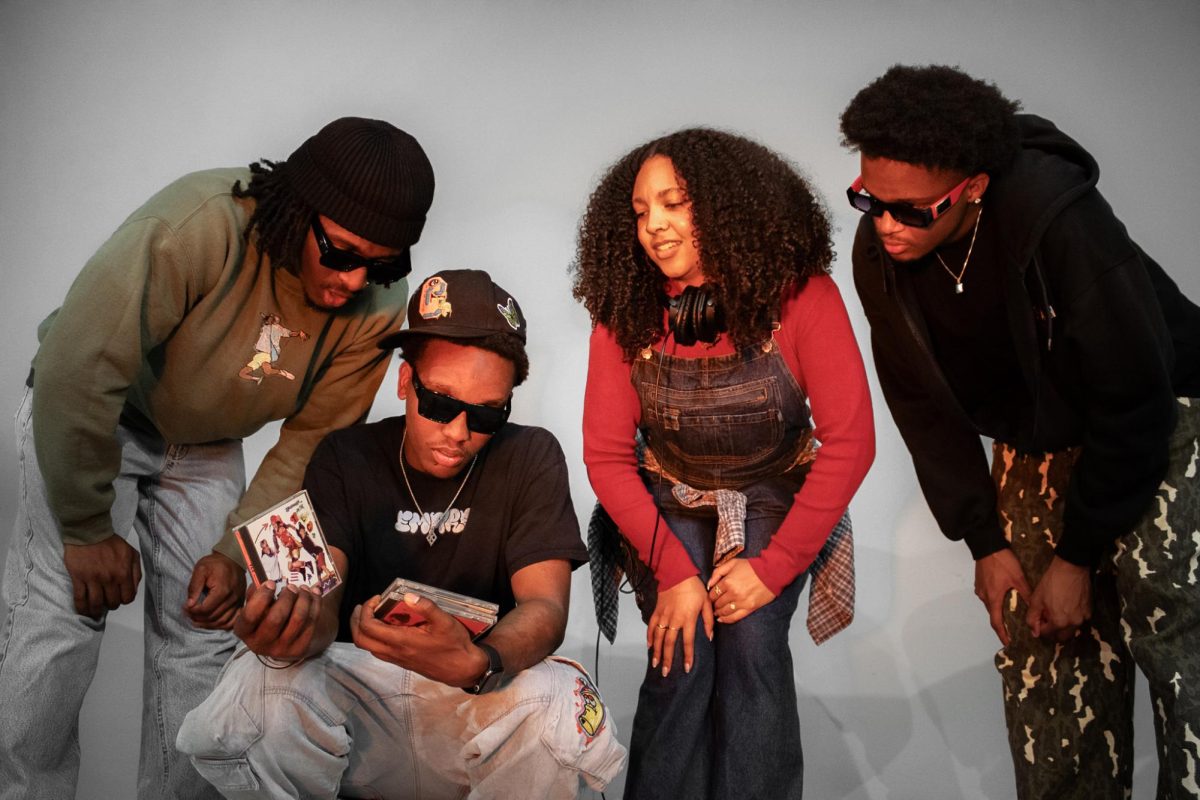
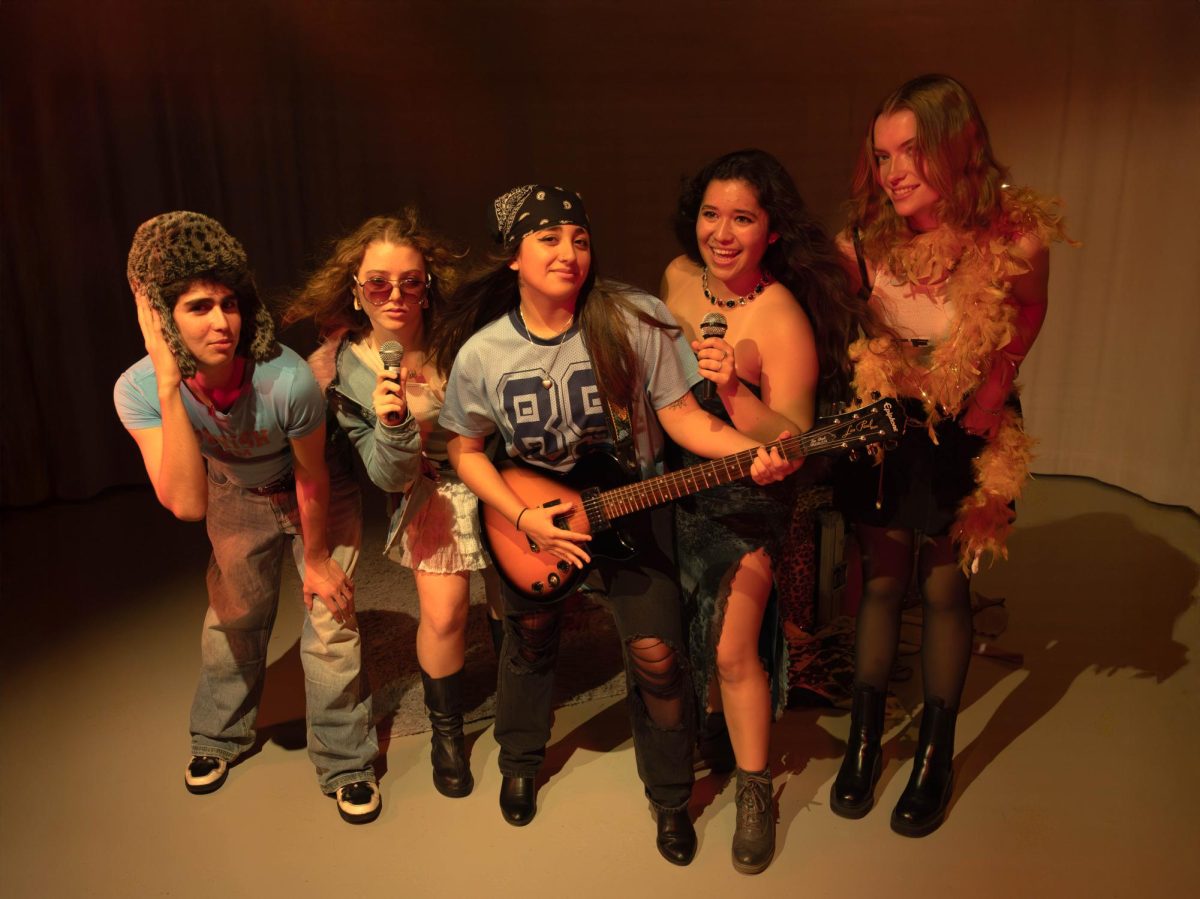
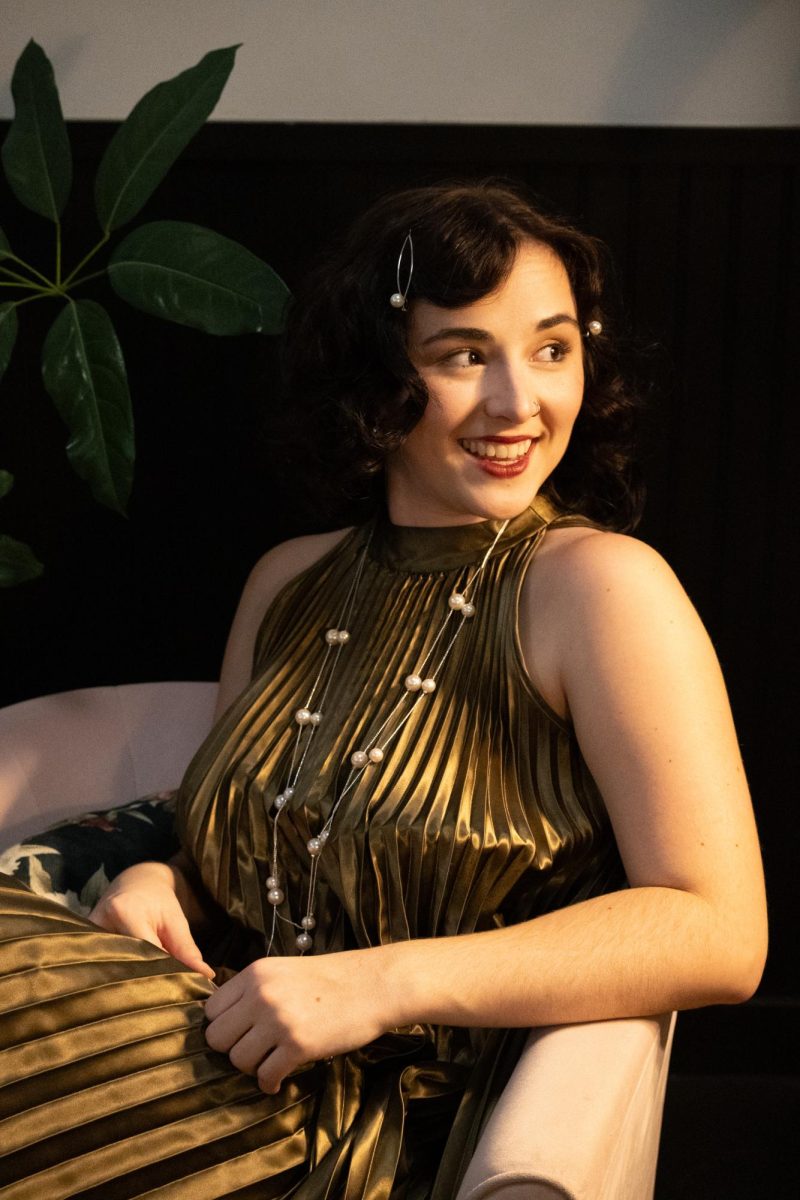
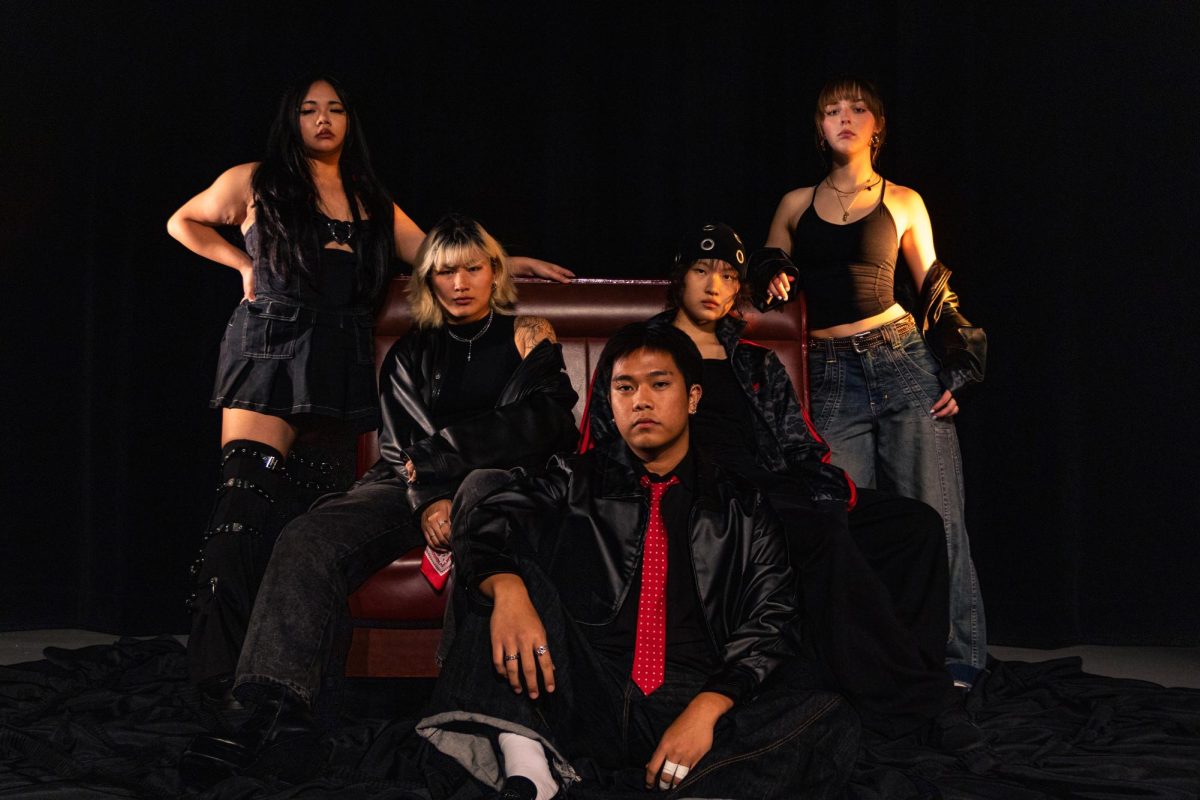
The concepts reveal different parts of the K-pop idols’ inner psyche. Through styling, color stories, carefully constructed silhouettes, and era specific wardrobes, they use clothing as a tool for experimenting with identity.
“Back when I was younger…people would say things like, ‘Why do you listen to music in another language, listen to English songs.’ Aesthetics and concepts are a universal thing and visual arts is something that everyone, no matter linguistic background, can appreciate. With the core of this helping the diffusion of K-pop into mainstream Western media, it now is a staple of K-pop,” says Sammie Ly, a fourth year biohealth sciences major and a dancer with Anomaly, Oregon State University’s own Asian pop dance group.
“K-pop relies on concepts and aesthetics to aid in digestion of songs,” Ly adds.
Jin Yoon, another Anomaly dancer and a second year psychology major who is an international student coming from Seoul, Korea, believes the “artists’ passion and unwavering dedication behind the scenes…allow K-pop to take root so deeply in [international fans’] hearts.”
The rollout of a comeback is one big fashion campaign, with the styling of the idols giving fans an early look into the world being created within the music.
“I connect with K-pop fashion a lot, as it is what got me into it and I just love the style so much.Typically the chic and streetwear side of things are what inspires me the most, with the bright colors and the interesting silhouettes,” says James Sanchez a Senior at Oregon State, and one of the three members of Soju Sumo, an all Asian hip hop and pop band.
“I think a visual element does go a long way in helping listeners engage with our music more. For example, our latest single ‘LOVELY LADY’ is a 2000s Justin Timberlake inspired song, so we took inspiration from his album cover for FUTURE SEX/LOVE SOUNDS by wearing suits. This reference to our influences cues the listener into the type of music we are making and provides a sense of familiarity with it.”
Through detailed-oriented concepts with carefully curated outfits, K-pop idols are able to grow and evolve their brand as a group or a solo artist, and show their fans more sides and deeper meanings to their music.