
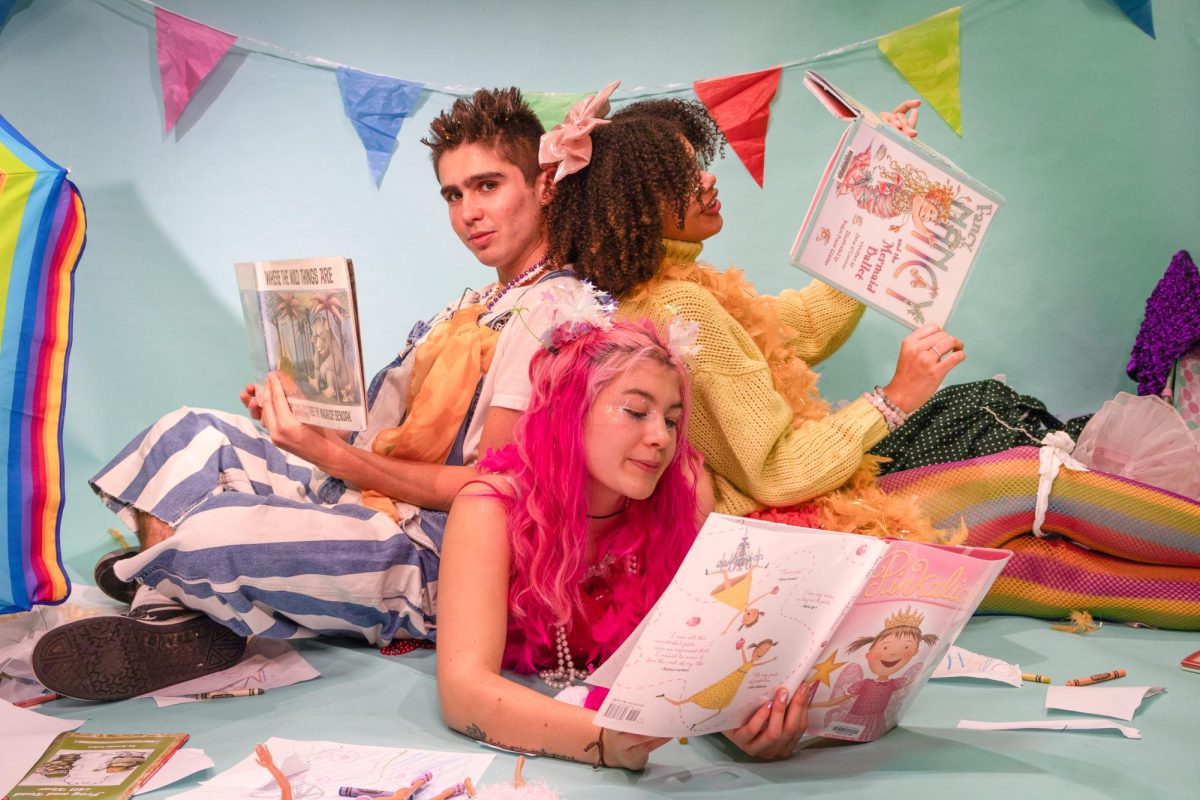
Ooh La La!
Long before we knew how to spell aesthetic, we were already committing to one.
As children, our fashion sense wasn’t guided by trends, budgets, or dress codes. It was guided by storybooks. Characters like Pinkalicious and Fancy Nancy weren’t just fiction, they were style icons who taught us how clothing could be a form of self-expression, confidence, and even resistance.
Victoria Kann, the author and illustrator of Pinkalicious, explained her personal connection to the character in a video on her Instagram page. “Pinkalicious was inspired by my daughter when she was three years old. She loved dressing up in pink princess outfits, fairy wings, and a tiara, and she felt truly empowered when she wore them. Pink made her feel joyful, happy, powerful, and strong. At an age when children often feel they have no control, choosing her own clothes helped her feel heard and definitely seen.”
Clothing translates to empowerment and resonates with generations of young readers.
Similarly, Fancy Nancy celebrates individuality over conformity. “Find your own sense. It’s all about being unique,” said Robin Priess Glasser, illustrator of Fancy Nancy, in regard to what she believes Nancy’s fashion advice would be.
Both of these statements explain how important it is for children to feel seen and empowered, especially during a stage of life when their voices are often overlooked.
“Fashion in children’s picture books helps shape how children understand identity, confidence, and belonging long before they have words for those ideas,” said Kann.
Through bold and exaggerated outfits, these characters model confidence and creativity in a way that makes it easy for children to understand.
Glasser explained how her time in London inspired her drawings: “So even though Nancy was enamored with everything French, I wasn’t as inspired by the current French scene. It was really London that was exploding at that time.”
Fashion is constantly evolving from place to place and generation to generation.
“Pinkalicious’s wardrobe is inspired not only by the fairy-princess outfits my daughter loved, but also by the dresses my grandmother sewed, full skirts, Peter Pan collars, bows at the neck, and puffy sleeves,” said Kann.
This inspiration gives the characters a timeless quality. As Kann said, “Her clothes are playful, imaginative, and unapologetically her own, showing children that it’s okay to wear what you love proudly.”
“Today I find that the kids are so much following trends. Nancy is not about anybody else’s ideas of what things should look like,” said Glasser. “In the first book she grabs a feather duster because to a five-year-old, a feather duster is fancy.”
This captures what Fancy Nancy is truly about: imagination over imitation.
“Pinkalicious is a true feminist because she stands up for what she believes in and solves her own problems, all while wearing beautiful pink outfits. She is strong AND beautiful!” said Kann. “By dressing joyfully, Pinkalicious gives children permission to trust their instincts, embrace their creativity, and feel confident to be exactly who they are.”
It is crucial to empower children to do and be what they want from an early age so that they feel confident enough to be seen and to dress how they want as they grow older.
“There’s a quote, and I have to read it. It’s by Foale and Tuffin. It’s about that period when I was in London: ‘We suddenly didn’t want to be chic. We just wanted to be ridiculous.’ That’s who Nancy is,” said Glasser.
Be chic. Be ridiculous. Be ridiculously chic.