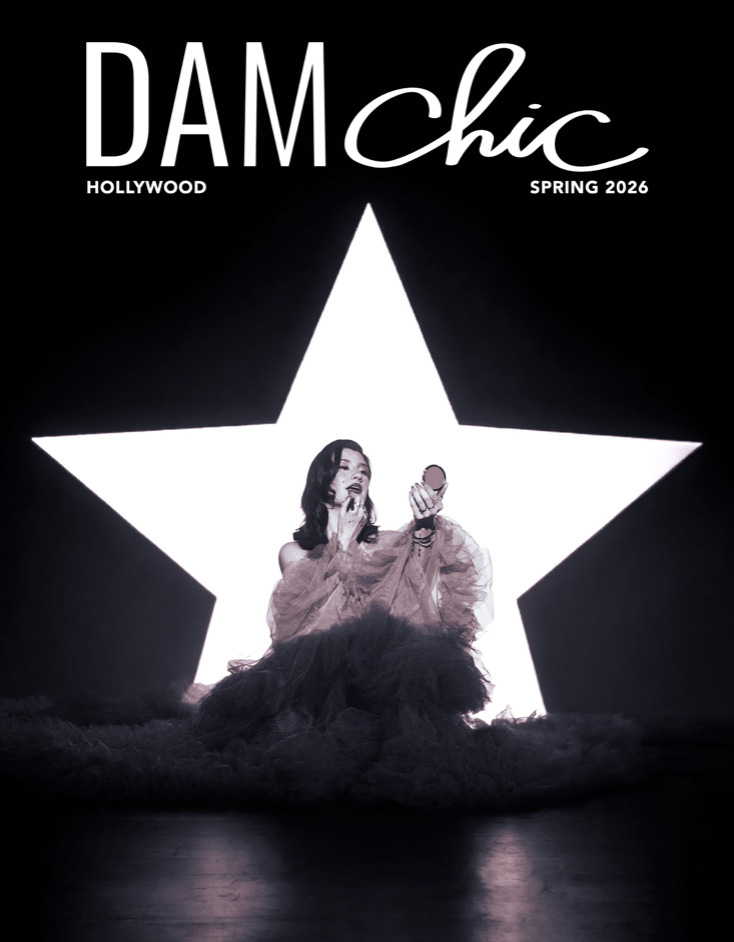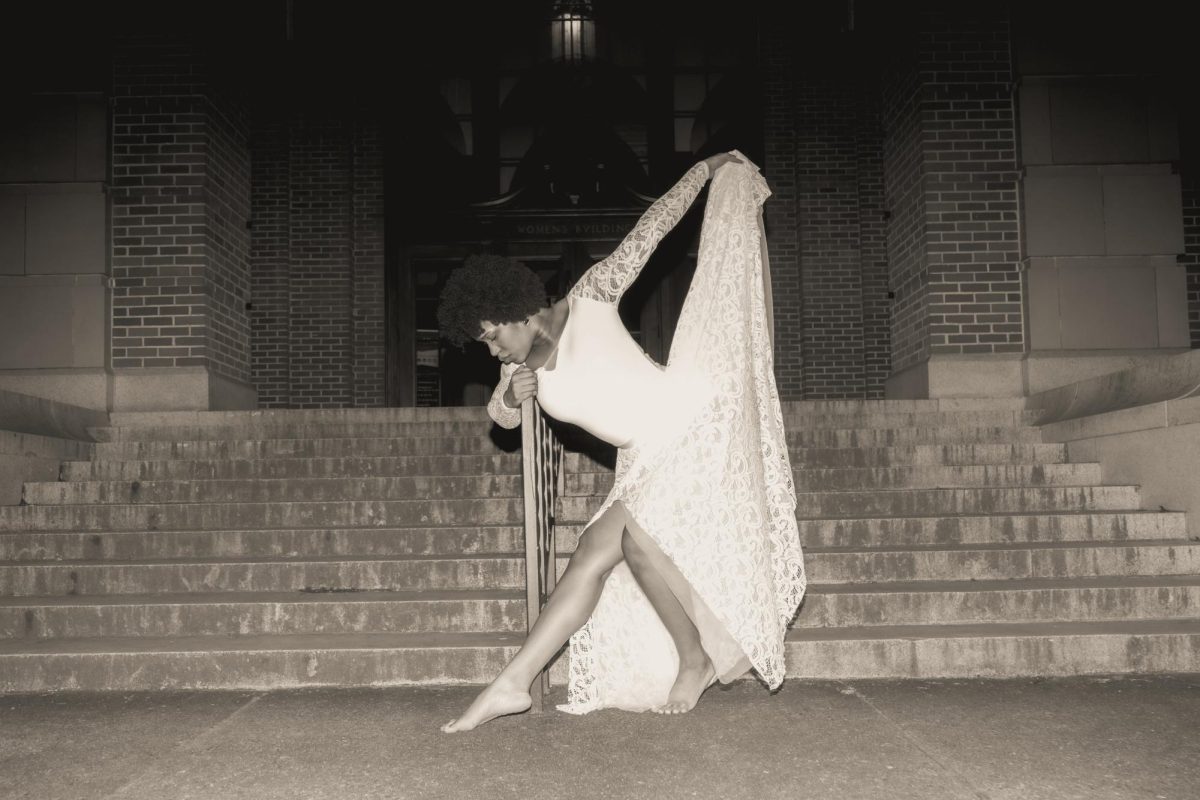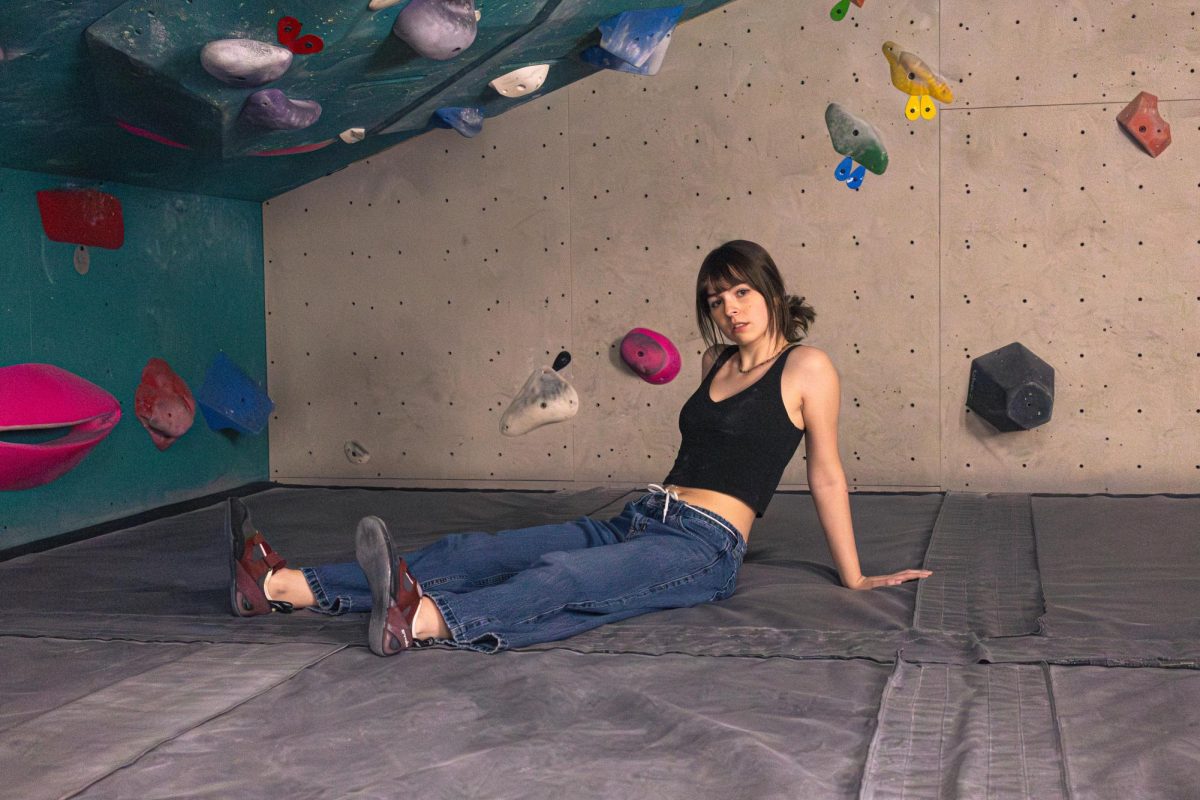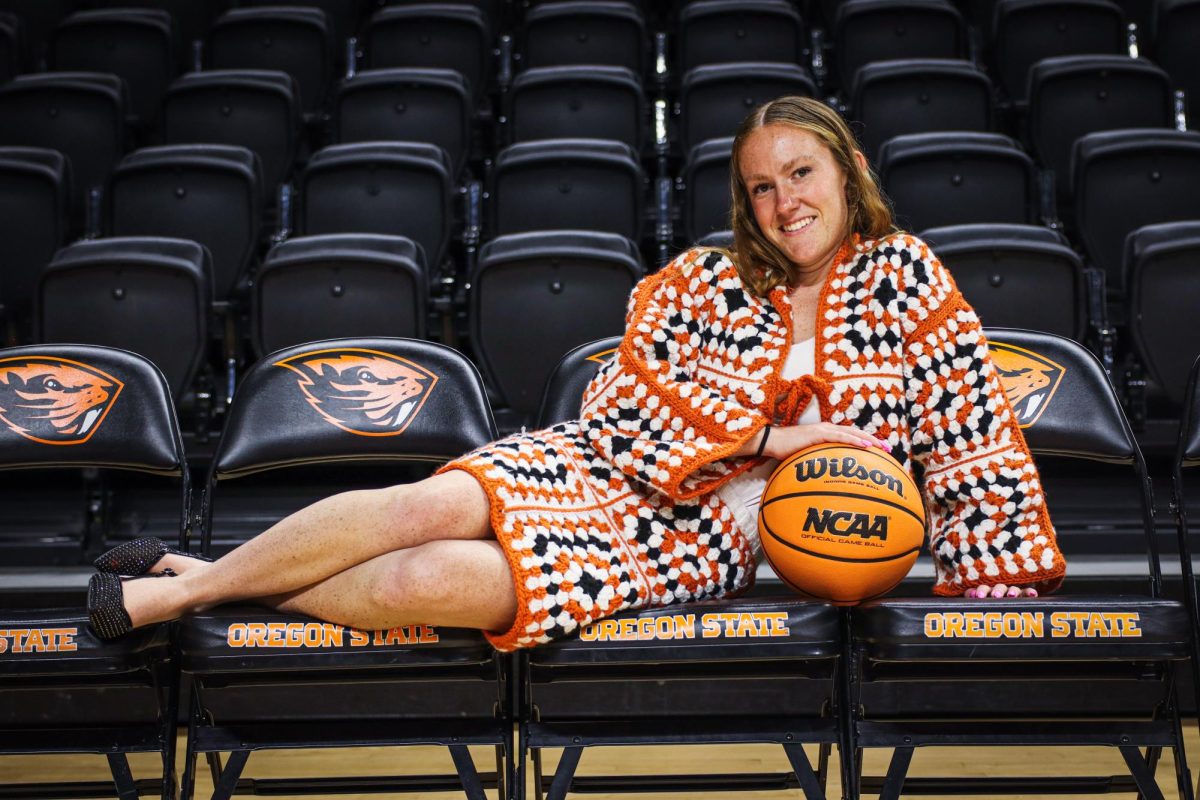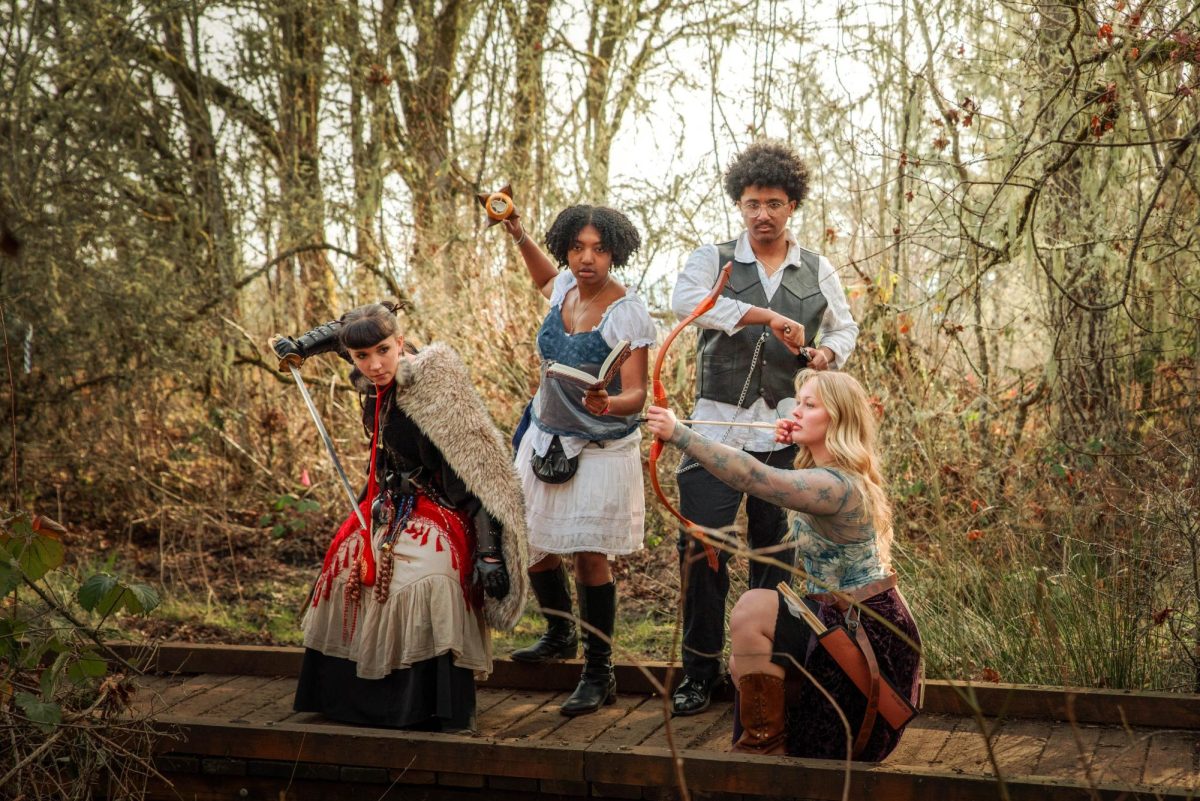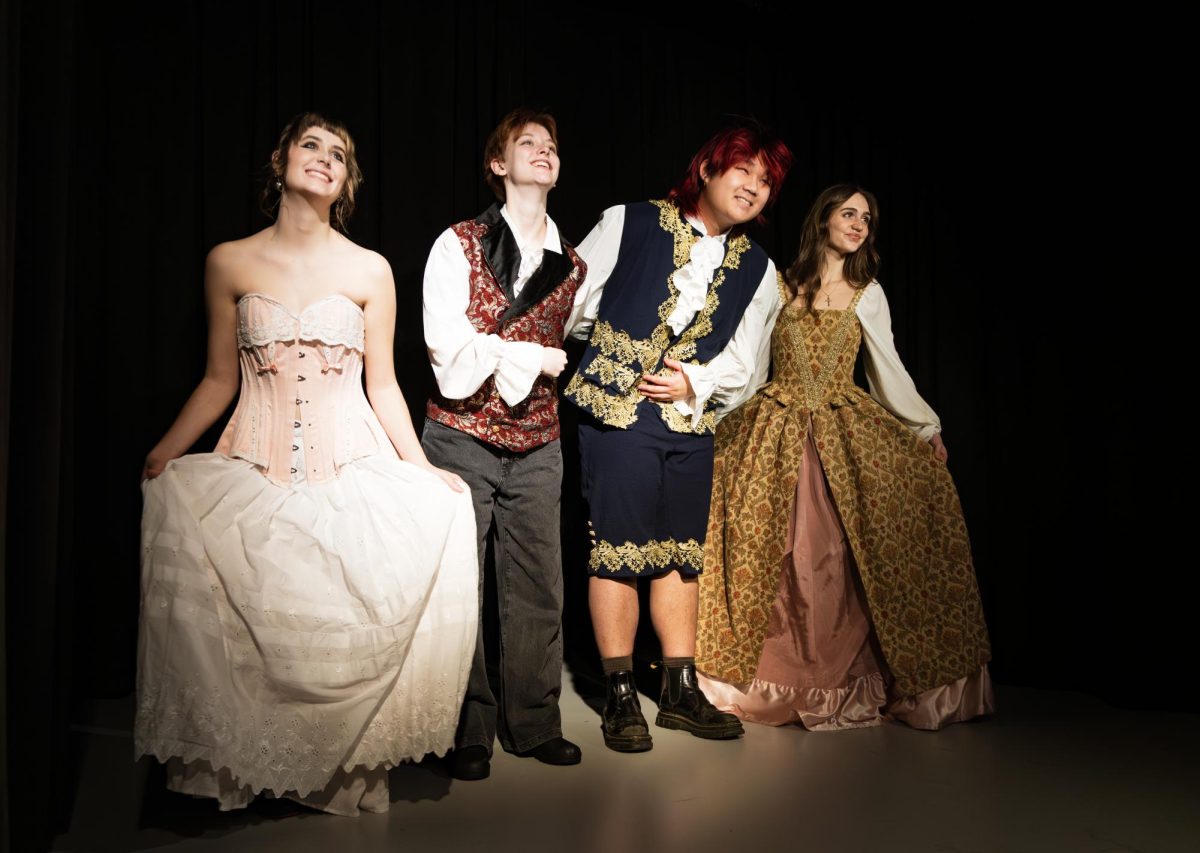

Minimalism had its moment. But lately, fashion feels like it wants to laugh again.
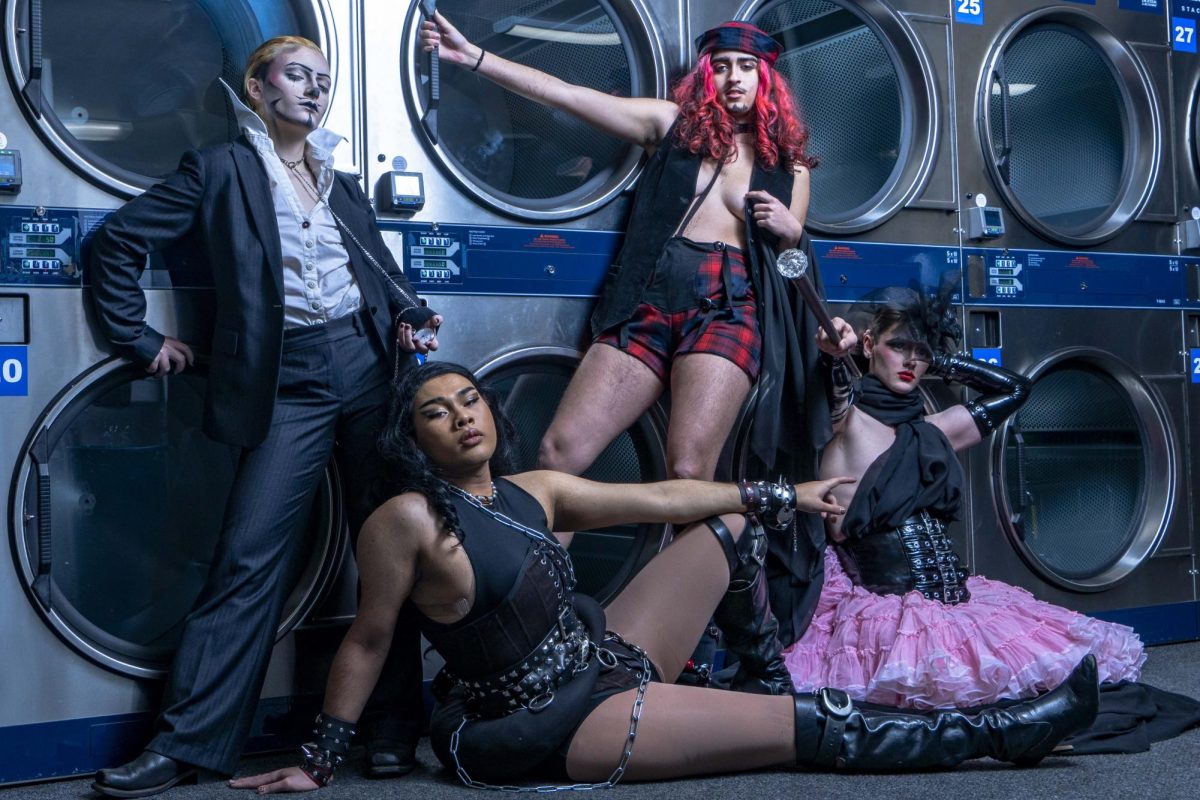
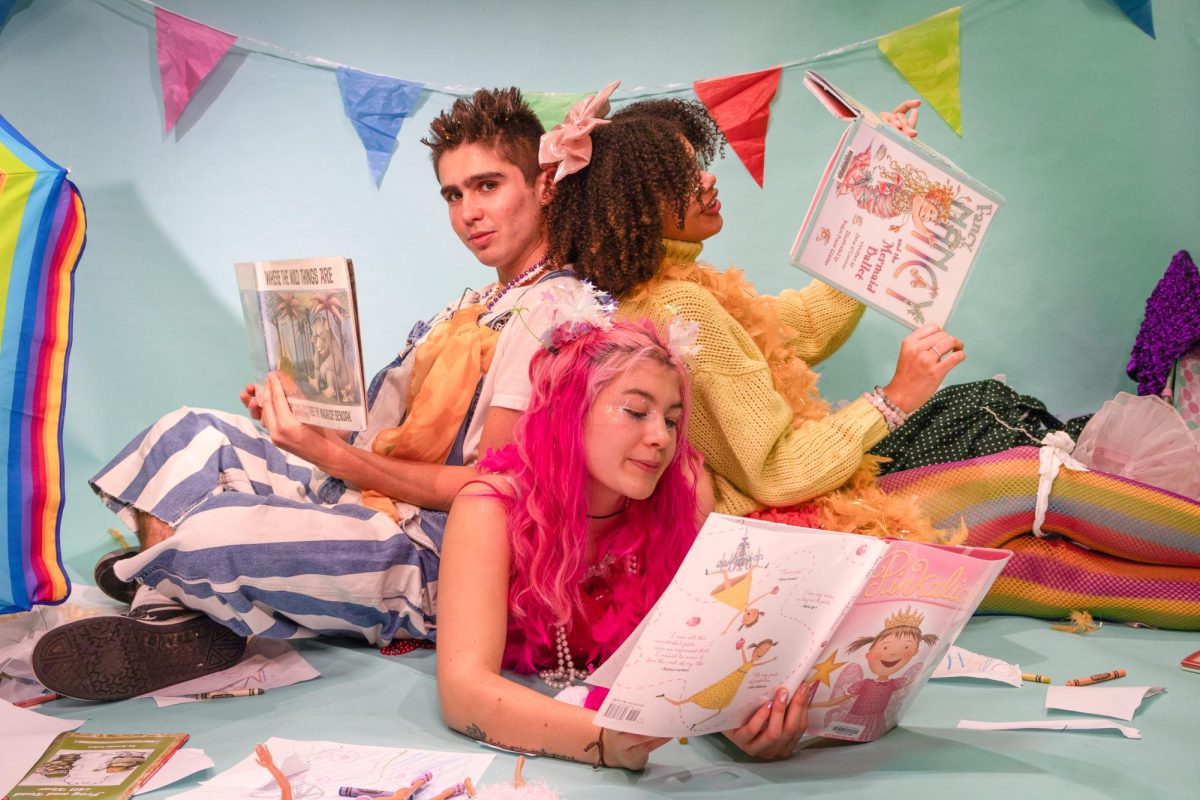
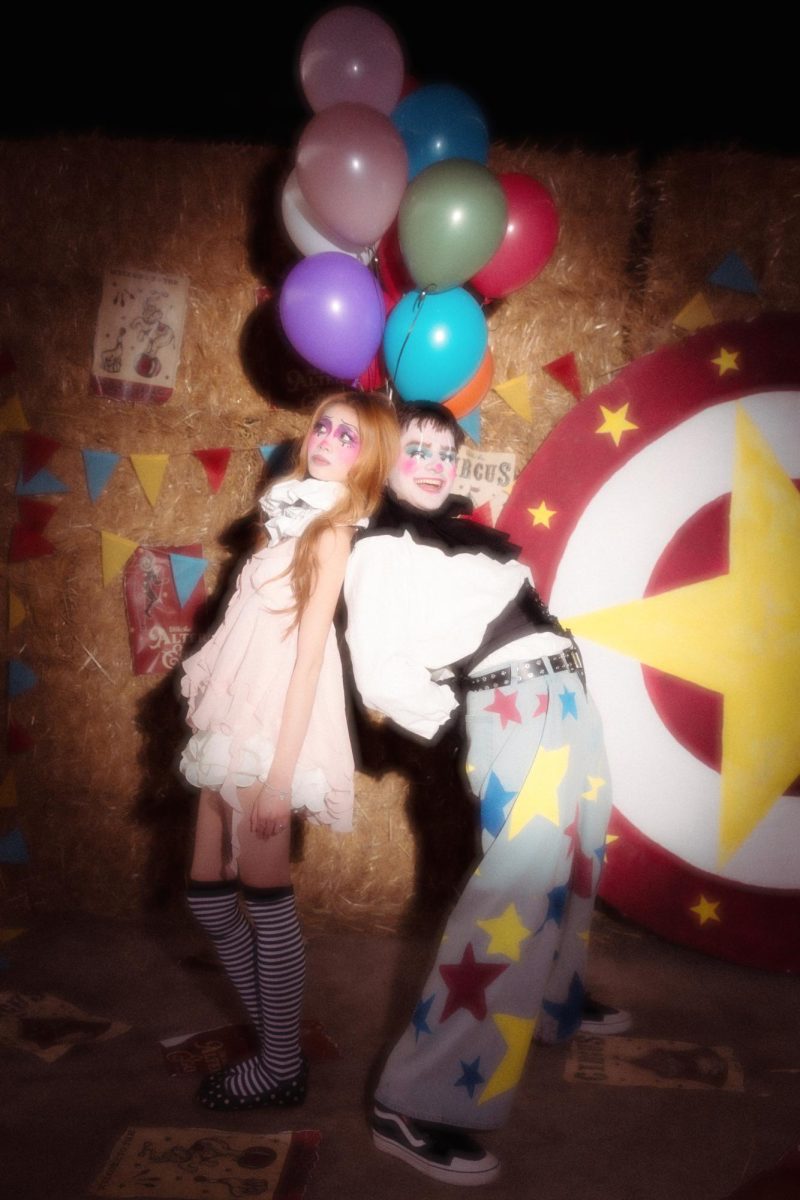
Ruffles are returning. Blush is bolder. Silhouettes are exaggerated. Makeup stretches beyond natural contours. Somewhere between spotlight and sidewalk, fashion has remembered how to perform.
Karen Cornejo, head of wardrobe for Mystère by Cirque du Soleil, puts it simply: “[Fashion and circus] are two different animals with the same skeletal structure.”
Both build characters. Both construct illusion. Both transform the body into something larger than itself.
“I think one of the things Cirque excels at is illusion and making things look like they’re just part of the body,” Cornejo explains.
Molly Lyons, a third-year natural resources major who did theater throughout high school, recognizes the connection. “For theater makeup, you do a lot more dramatic looks so that you can be seen on stage. I think it’s cool that makeup and fashion are exaggerating features of people.”
Phoebe Jerome, a graphic design student and seven-year aerialist training at Revelers Aerial Works, understands that amplification most clearly in performance.
“I am the most myself in the air. I am fully and freely me. In my performance, I am something else entirely. No one has more audacity than me with a captive audience. I love to shock a crowd, make them gasp, make them laugh.”
That transformation is tangible long before the show begins. It starts the moment the costumes come out.
“The day we get our costumes before a show is the most joyful energy you’ll ever feel in my gym. Everyone is covered in sparkles and ruffles, smiling in the mirrors and flexing their circus muscles. That’s when we become our characters.”
Since the early days of the circus, performers have been celebrated not for blending in, but for standing out. Acrobats, aerialists, and clowns were not meant to look ordinary. They were meant to be extraordinary. The circus turned bodies into spectacle.
Now, spectacle is slipping into everyday style.
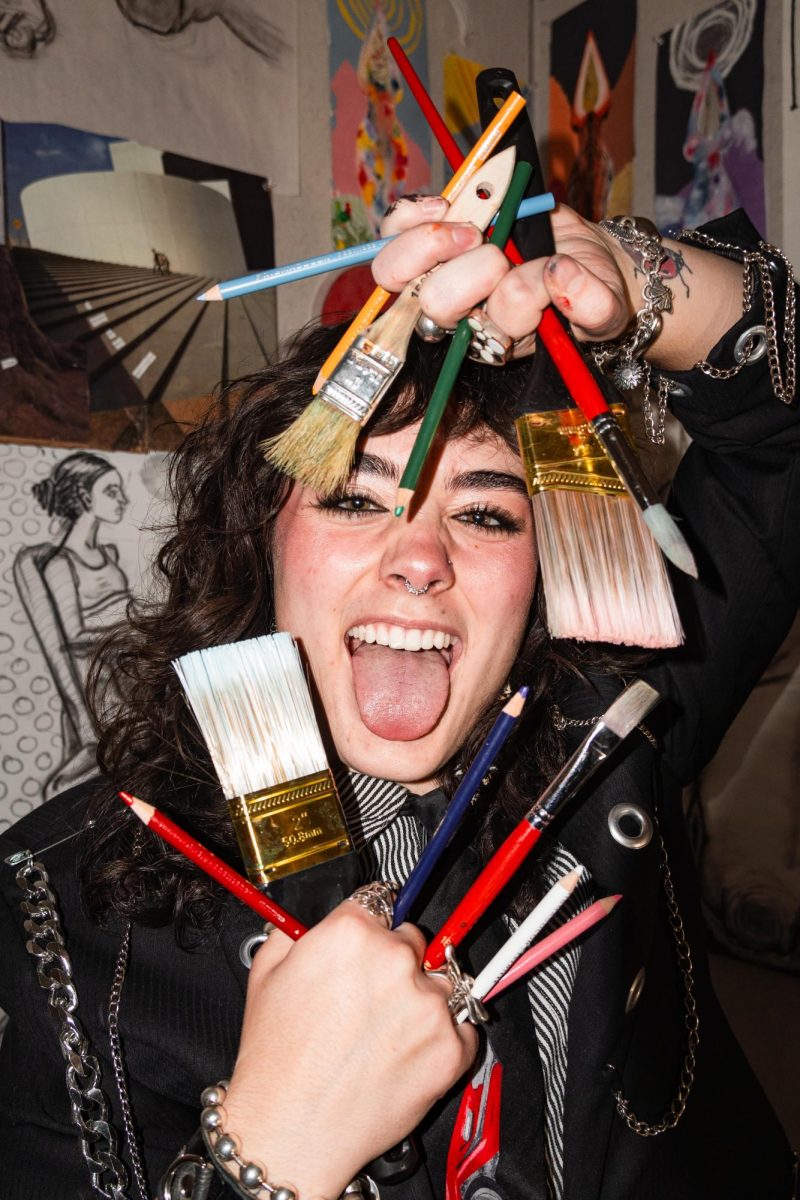
“I think it’s fun when people look at you and see something different,” says Lyons. “I like the ruffles. I like fun hats. I like crazy hair. I like the colors in clown makeup. I like that you can express yourself in a cool way.”
“My Pinterest has been full of circus-inspired fashion for years,” Jerome adds. “It only hit me that it was resonating with a larger audience when I saw the art direction for Fizz’s album The Secret to Life. Their outfits are so dreamy and fun. It’s definitely creeping up in fashion spaces on campus, but it hasn’t really hit mainstream. Maybe a part of me is grateful for that, though. Circus is meant to be weird.”
That weirdness doesn’t stay confined to performance.
“Since I started performing at such a young age, there’s no doubt my personal style was influenced by costumery,” Jerome says. “My everyday basics are in bold patterns and bright colors. I love anything that breaks up the natural human shape: puffy sleeves, giant pants, babydoll dresses. My style also changes from day to day.”
Consistency, she argues, is optional.
“In the circus, we wear sparkles in one scene and tattered rags in the next. The audience isn’t owed consistency. In fact, they’re bored by it. Go out and wear the outfit for who you are today. Tomorrow might be totally different, but you don’t owe it to anyone to follow their expectations for you.”
Cornejo encourages that same boldness. “Let’s go for it. Explore all the fun looks. Different techniques that are out there for different things. Express individuality. You can take all of those things that make you happy and put them on your body. Why not?”
The circus was never subtle. It was spectacle.
And fashion is remembering how to be one.