

Half a million people showed up, not just for music but to make history.
Woodstock ‘69 was an act of rebellion. It happened amidst the Vietnam war and very shortly after the Civil Rights movement so the United States and the world as a whole were facing a lot of turmoil.
The counterculture movement wasn’t just about rejecting societal norms; it was about expressing individuality and resistance through fashion.
“This was expressed through tie-dye shirts, bell-bottom jeans, and fringe vests, with attendees often choosing handmade or thrifted clothes to protest consumerism. The overall look was eclectic and relaxed, with natural materials, flower crowns, and bare feet symbolizing a connection to nature and a rejection of traditional social norms,” said Jennifer Mower, a professor of contemporary fashion history at OSU.
Fringe, tie dye, maxi skirts, and bell bottoms flooded this festival and eventually took over the 1970s.
“Woodstock ’69 helped shape the 1970s fashion identity by popularizing a look that embraced natural materials, flowing silhouettes, and vibrant color palettes as symbols of rebellion and freedom. Key elements included hand-made and thrifted clothing like tie-dye, fringe, and bell-bottoms, reflecting a focus on individuality and comfort over conformity,” said Mower.
It was the birth of the free spirit, flower child persona. Some people treated this purely as an aesthetic, but most adopted the mindset as well.
Bands such as Grateful Dead, Creedence Clearwater Revival, and The Who all played Woodstock. These bands were icons of the ‘70s and greatly influenced the fashion choices of their audiences.
Grateful Dead fans, commonly referred to as Deadheads, were the epitome of this free-spirited style for decades.
“I think history affects my fashion choices by what styles I choose to wear while mixing in my culture’s style,” said Azelie Bosquez, a sophomore studying marine biology.
Displaying varying cultures and combining them with trends was also huge throughout the 1970s.
“It seems like every year often in spring lines and designer collections, these apparel styles and design elements are incorporated, making them a perfect accompaniment for spring and summer concerts and festivals,” said Mower
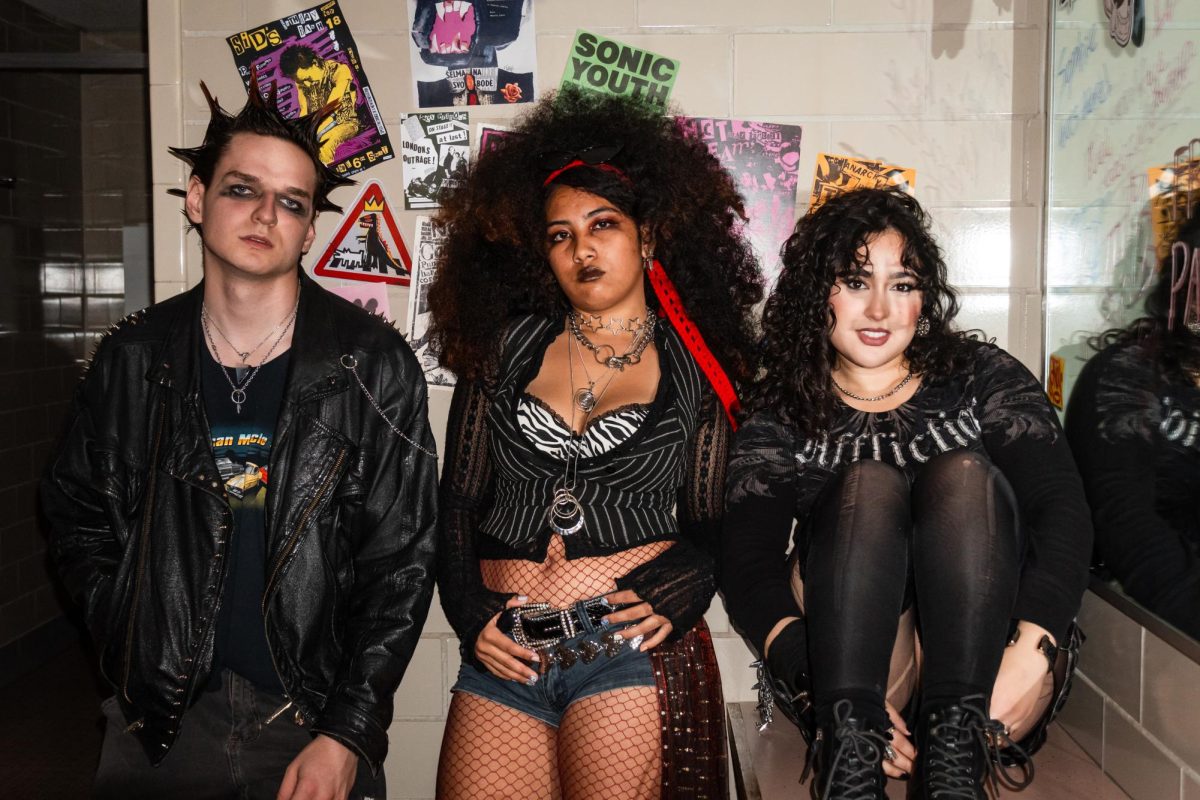
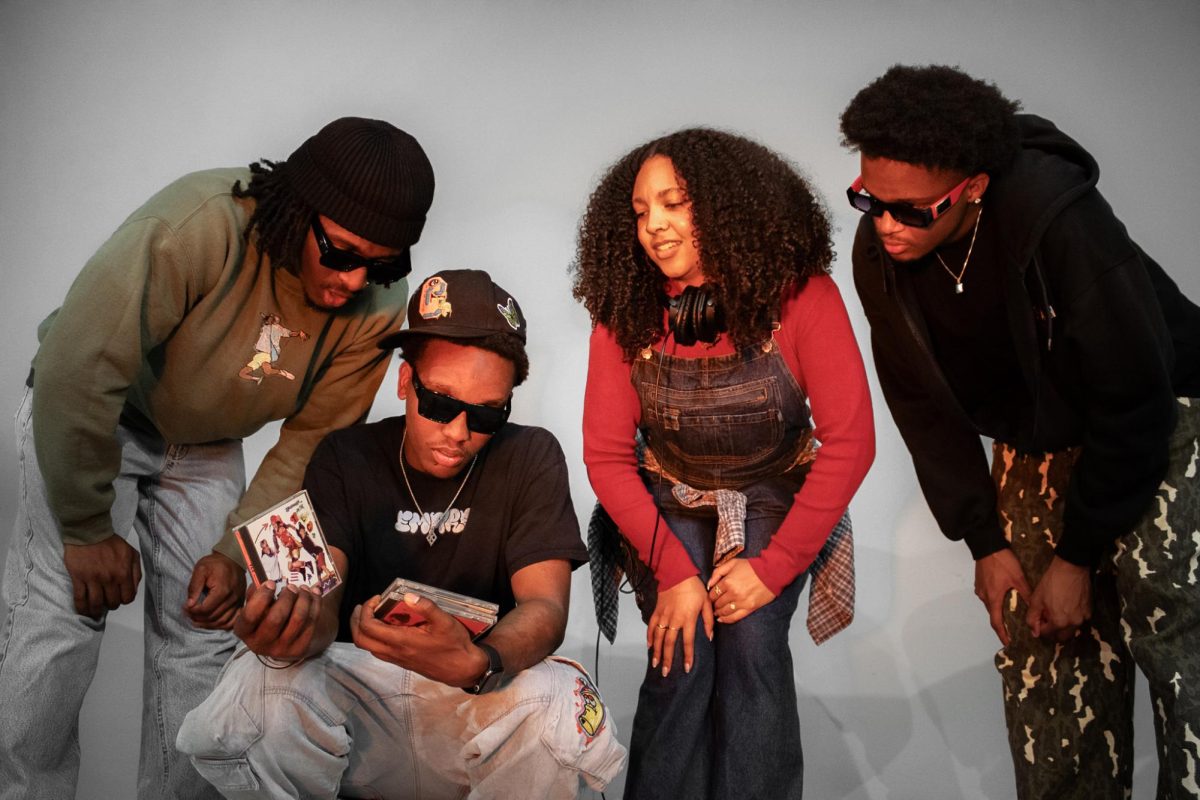
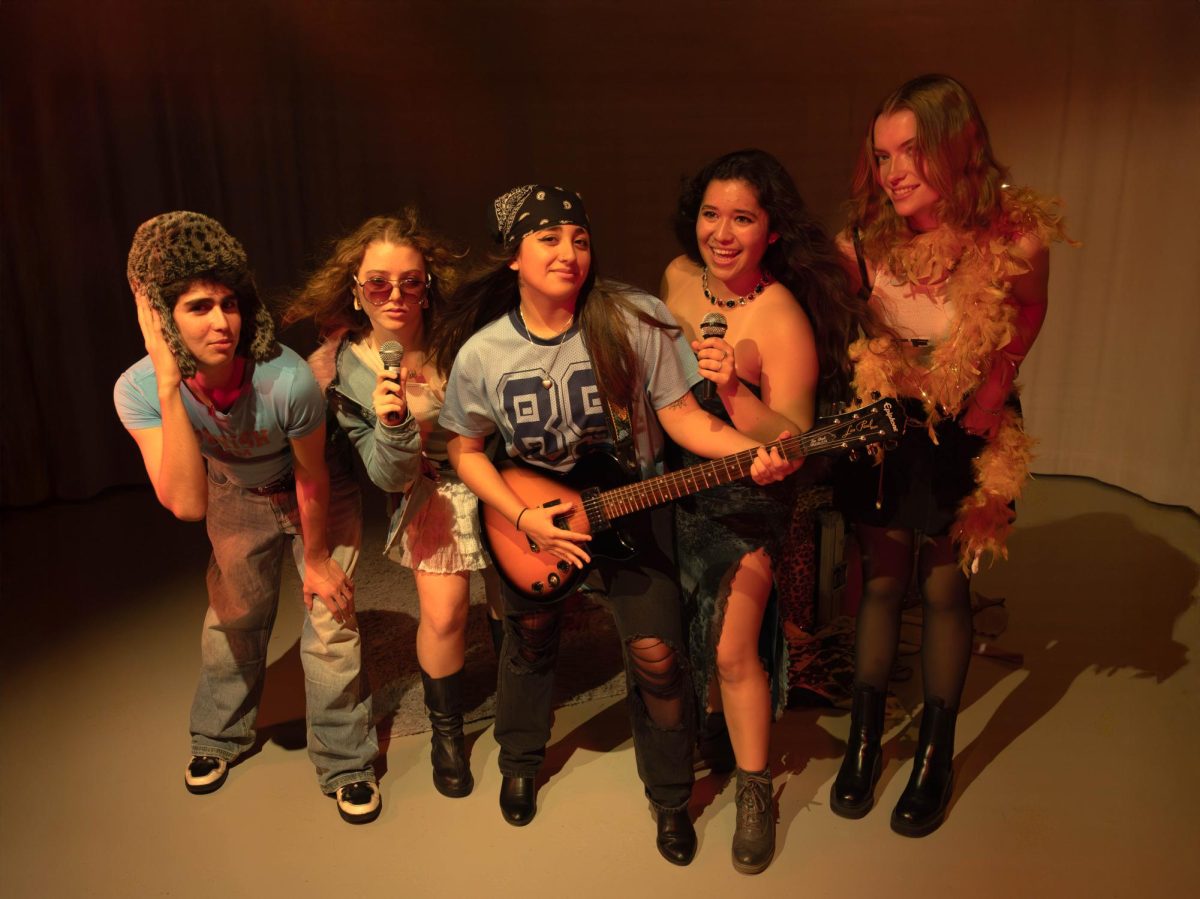
Students here at OSU also draw inspiration from this decade in their everyday looks.
“Girls like Jane Birkin, Sharon Tate, Anita Pallenberg, and Pamela des Barres influence my personal style a lot,” said Caroline Mellis, a freshman here at OSU.
These women were icons of the late ‘60s and early ‘70s and the fact that they are still talked about in the mainstream definitely says something.
“I’m also fascinated by the music and culture of the 1970s and how groupies, women who were seen as promiscuous and often shunned from ‘civil society’, influenced many of the style trends of the time by acting as muses for famous artists and rockers,” said Mellis. This further proves the rebellion in the generation.
This style somewhat shifted from sustainability and comfort to something that major fashion moguls wanted to profit off of.
“Fashion designers like Yves Saint Laurent translated the hippie look for a wealthy clientele,” said Mower.
But there are also icons of the time that presented the style to the more target audience.
“Known as the “King of Flowers,” the American-born designer Ken Scott was a master of vivid floral prints, a signature element of the “flower power” aesthetic seen at Woodstock,” said Mower.
“Thrifting is my favorite way to buy new clothes since it’s more affordable and the pieces are more unique,” said Mellis.
“I love to shop at thrift stores, vintage shops, or pop up/farmer markets!” said Bozquez.
Making sustainability trendy was a huge goal of people that attended Woodstock and we can see that coming back strong in modern society.