
As artists, dancers have the ability to tell stories and convey emotion through movement.
Much like we daydream, dancers enter a state of dreaming onstage, embodying personas and emotions through movement, just as designers shape character through fabric and color.
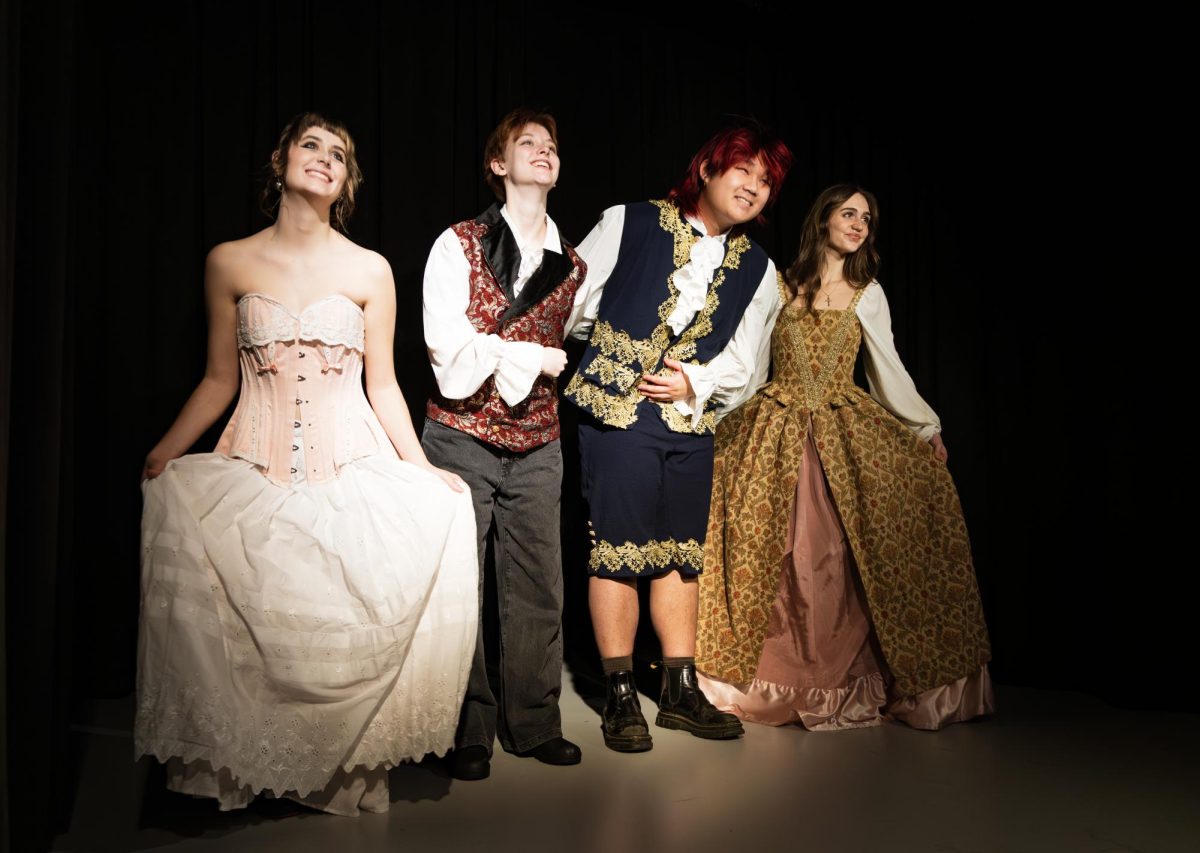
Every detail of a costume, from its texture to its silhouette, influences how the dancer feels wearing it and how the audience perceives a character and a routine.
“The main thing I want the audience to take away from a performance is the emotion, the story, the feeling presented on the stage in front of them,” says Olivia Ra’Shea Brown, a senior studying dance performance and production at Oregon State University.
Ra’Shea Brown specializes in modern and contemporary dance, and she explains, “If I can have someone feel how gut-wrenching the movement vocabulary I’m performing is, then I’ve done my job. If I have someone swaying and breathing with me in their seat as I perform, we have connected way beyond words.”
“When I perform, I want the audience to feel the emotion behind the movement, not just see the technique and strict movements,” adds Marin Hefty, a junior majoring in human development and family science at Oregon State University.
A dancer’s costume becomes an extension of their movement, adding to the tone of the story.
Simple leotards and practice skirts help dancers find the movement. When the final performance wear is donned, that is when the dancer truly becomes the character.
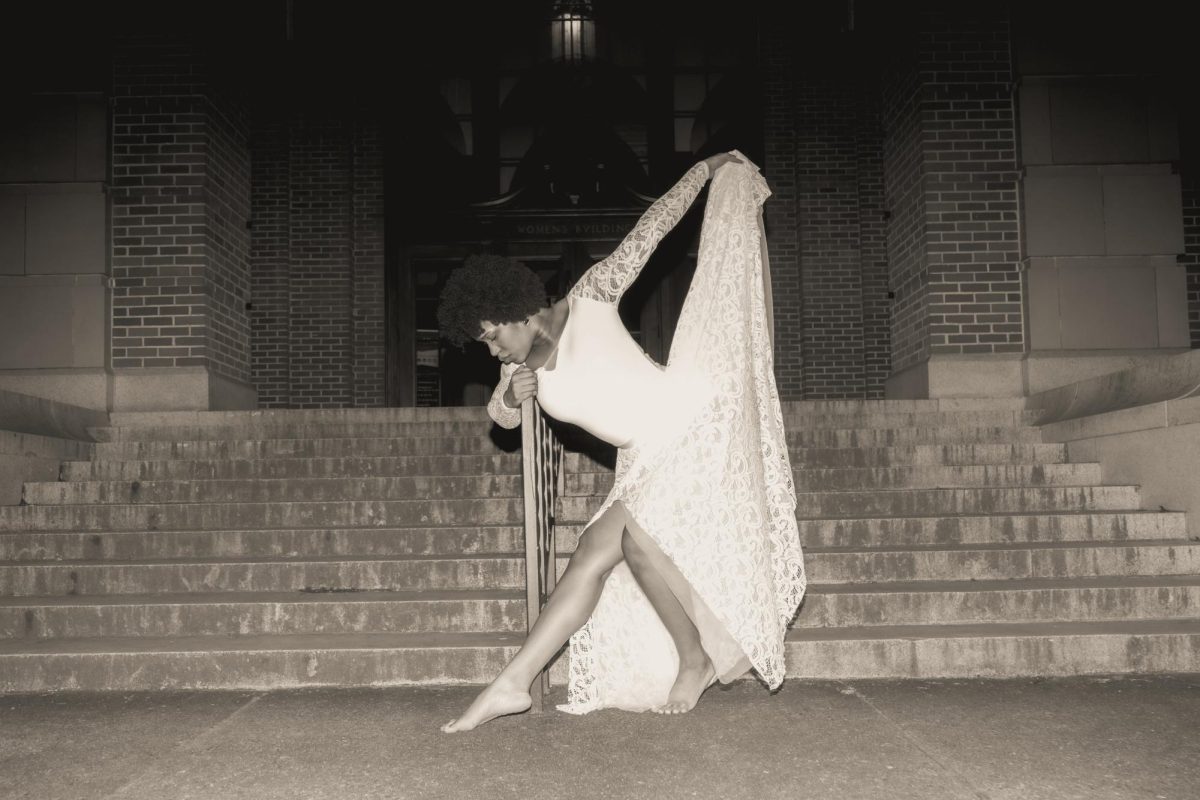
Everything from the flow and texture of the fabric to the length of a dress or tutu impacts the audience’s perception of a piece.
“There is a saying in the ballroom world from instructors that ‘no amount of rhinestones in the world can cover up bad foundations.’ That being said, when I put on a good costume, it is the most beautiful I will ever feel while dancing, and it adds to my confidence. It can also really add to the expression and personality,” says Grace Maynard, a senior agricultural science major who specializes in competitive ballroom dance.
“Costumes set the tone before we even start moving,” Hefty adds. “They help the audience understand the character and the mood right away and make the performance feel more immersive.”
“When choosing costumes for a dance piece, first I determine if the costumes need to portray a specific character or historical era. If it’s a classical ballet piece that requires tutus, I decide if I want a romantic tutu (ankle-length) or a classical tutu (also known as a pancake, platter, or powder puff tutu),” says Megan Skinner, ballet instructor for OSU’s PAC program and director of Willamette Apprentice Ballet.
“The design, style, colors, and materials that a costume is made out of can tell your audience in an instant the setting and mood of a dance piece, and when combined with the music, lighting, sets, and props, it helps the audience understand the story and the emotions of the choreography,” Skinner continues.
Whether through movement or costume, dance is a reminder that expression isn’t just something we feel. It’s something we wear, perform, and share with others.