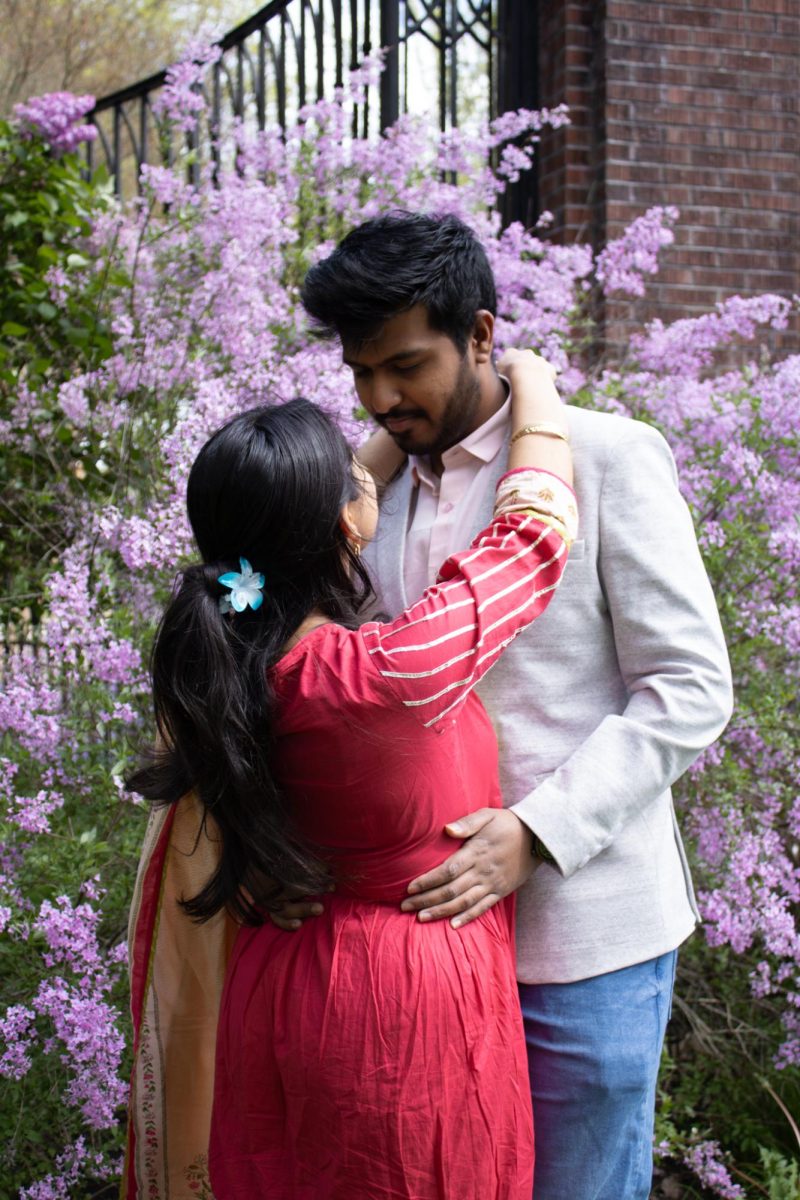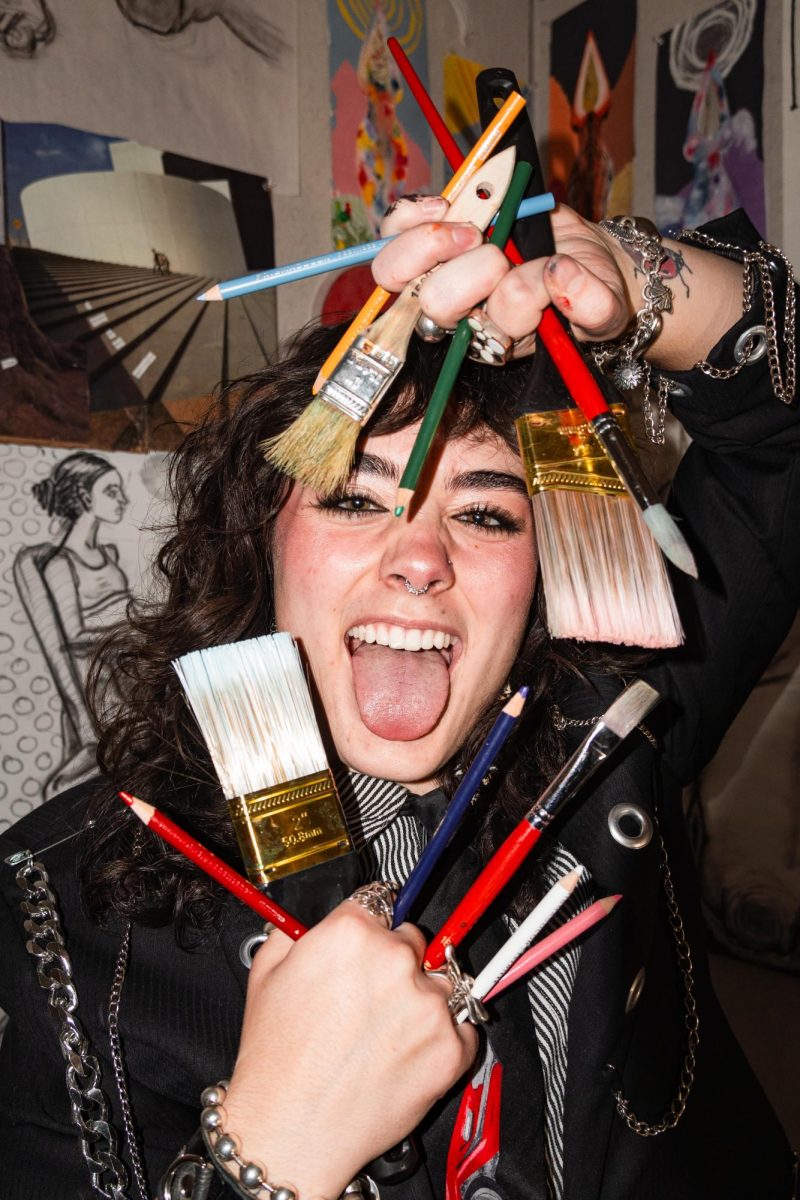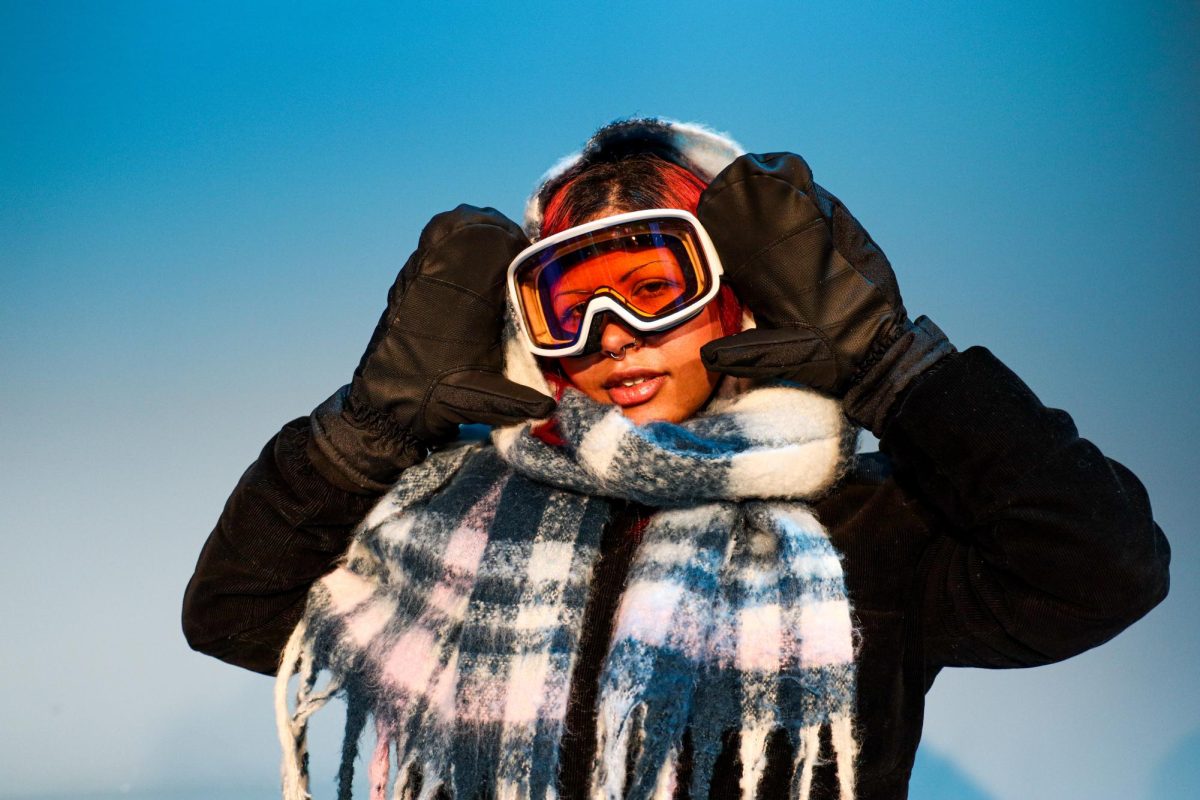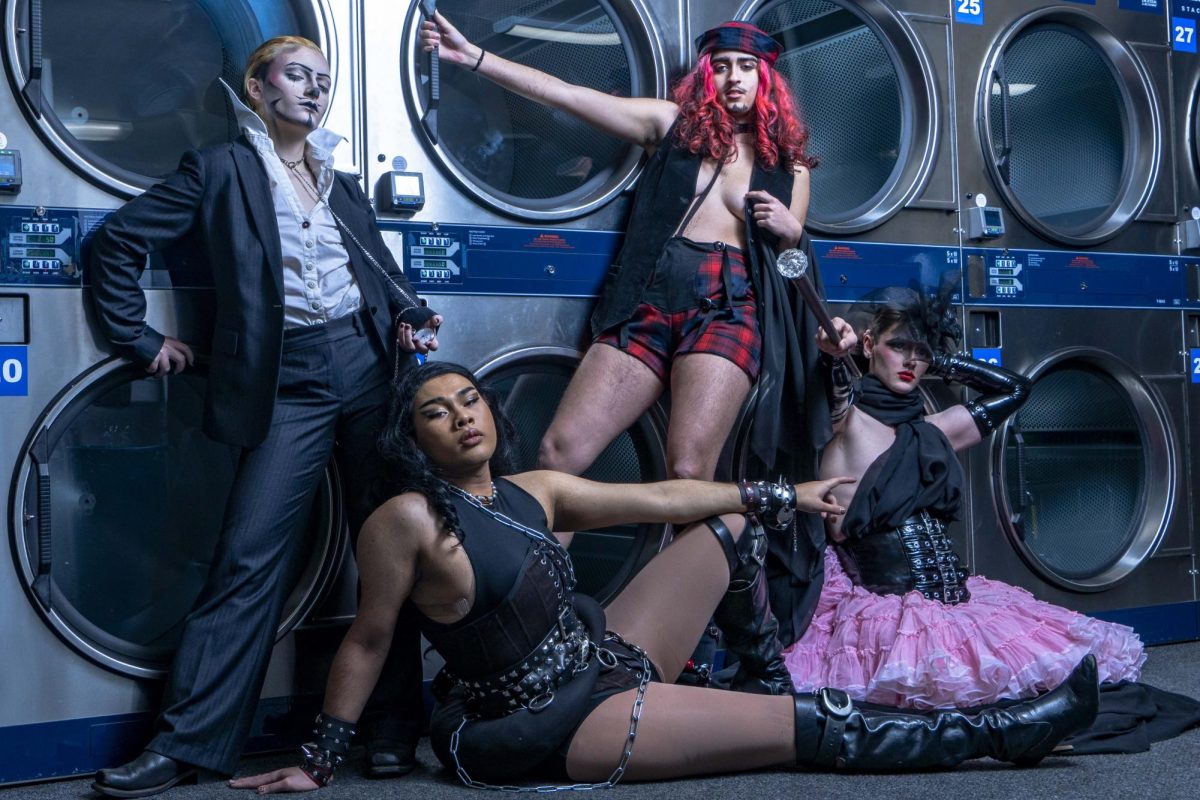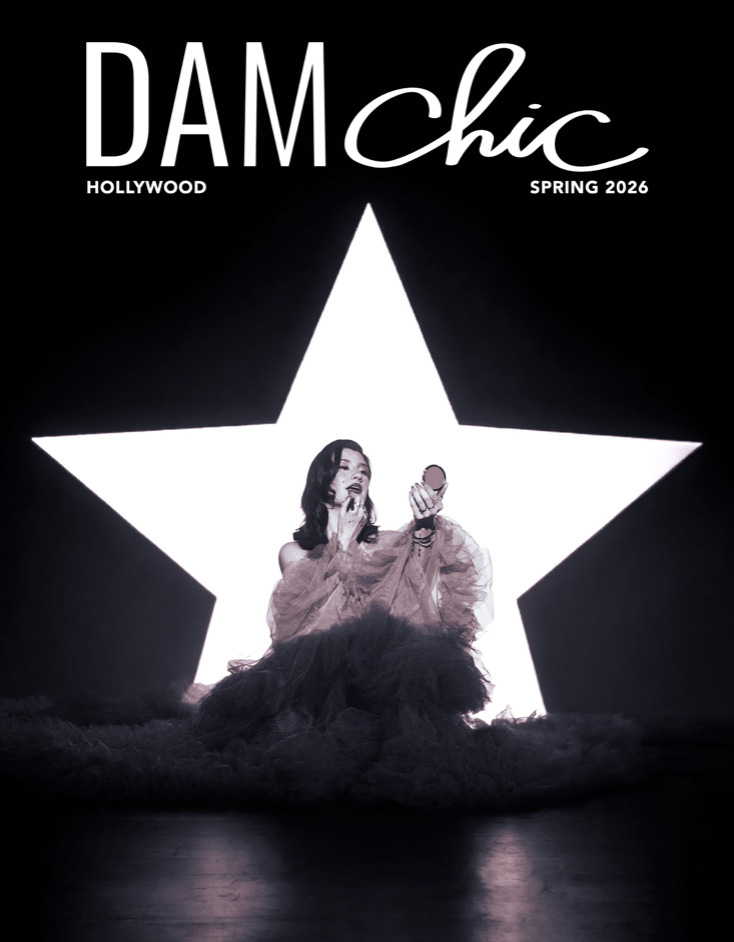

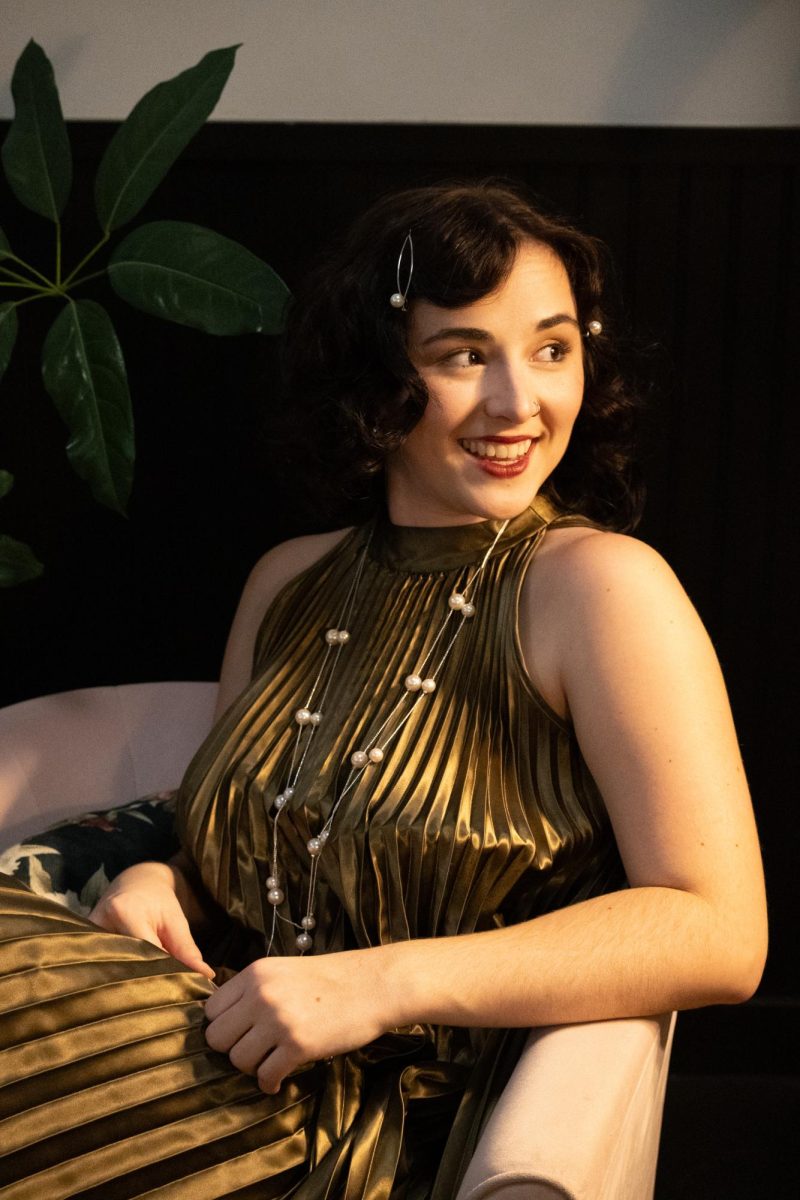
The term “flapper” has had many meanings over the years, but for many women of the ‘20s it symbolized independence. Much to the shock of mothers everywhere, daughters began cutting their hair, shortening their hemlines, and getting swept away in the Charleston dance craze.
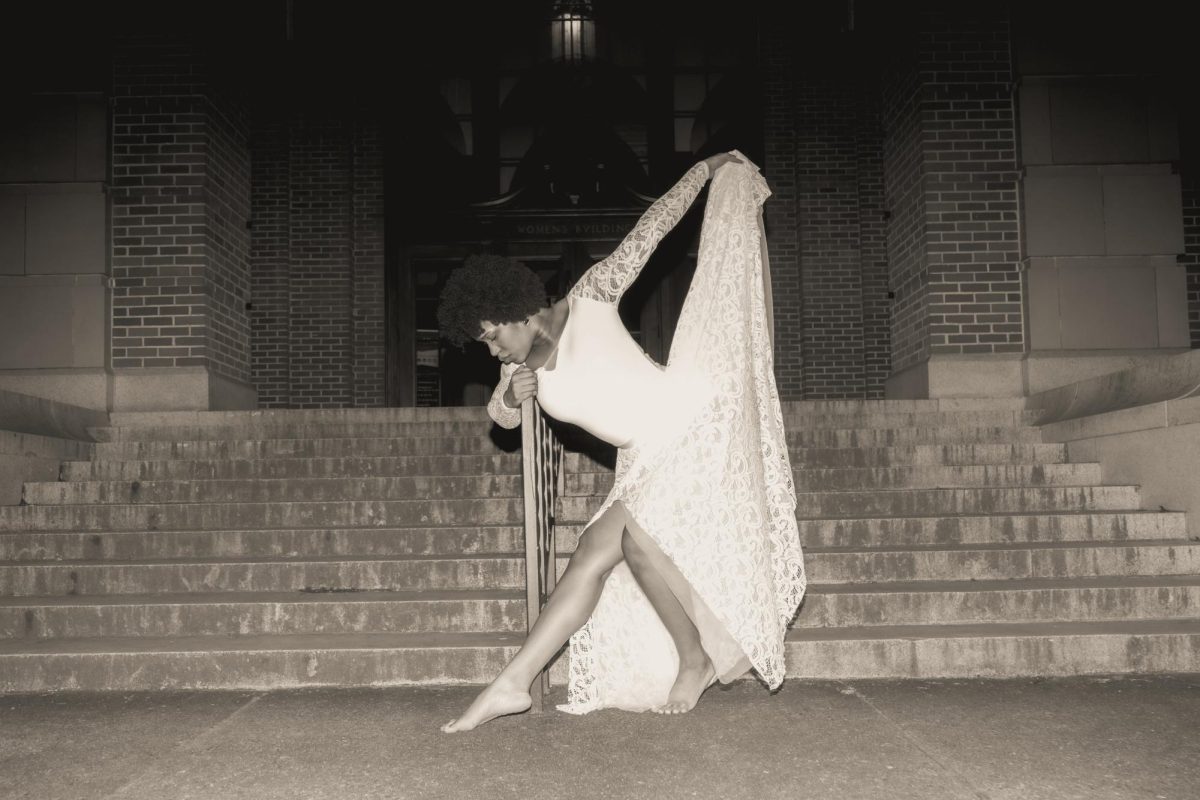
Flappers are an iconic example of both fashion and performance as a form of empowerment. Cayla Batz, a junior and accomplished Irish dancer, described the confidence that comes with getting ready to perform: “I always have really enjoyed the full get-up and the full costume . . . If I feel put together and ready to go in the full glam, then that gives me more confidence for standing out on stage.”
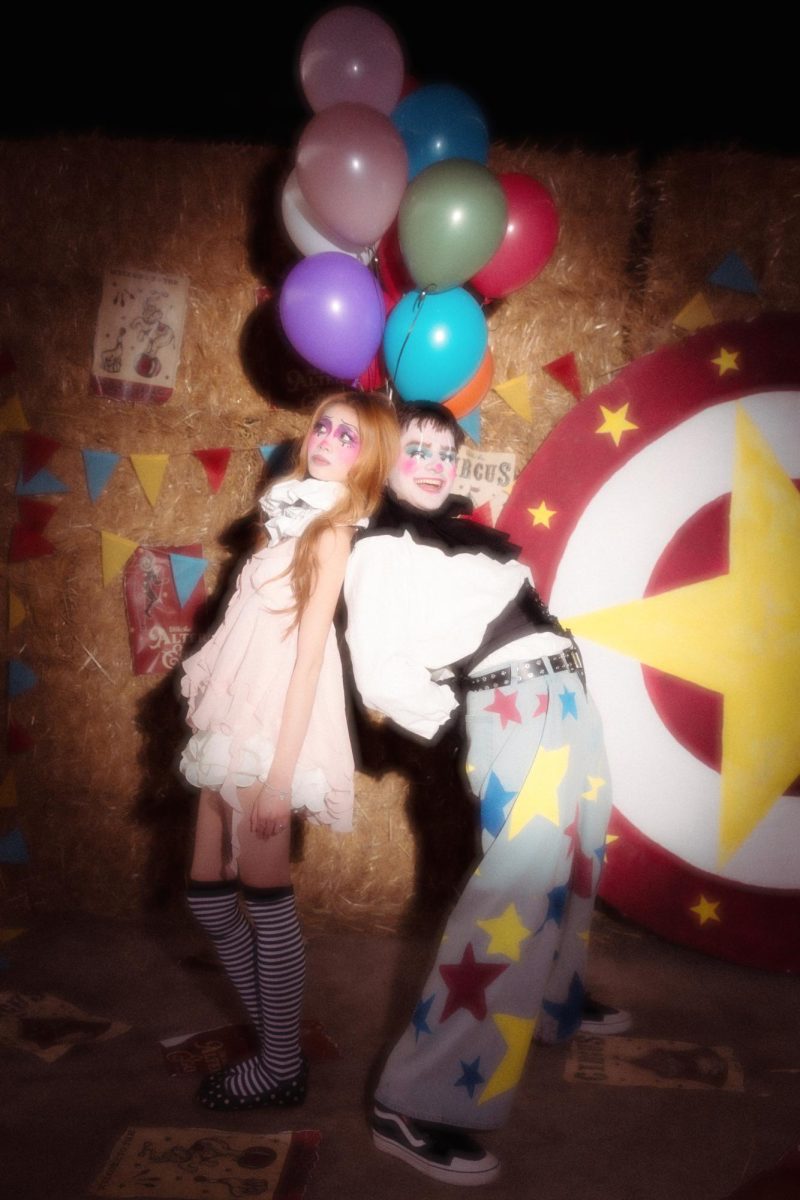
The Prohibition allowed jazz to flourish in the secret confines of speakeasies, where creativity and self-expression thrived. Iris Lasala, a senior and trombonist for the OSU jazz band reflected, “As I was exiting high school and entered college I was getting more into jazz, and at around the same time I was experimenting with my gender expression . . . breaking the rules and throwing away the expectations from others and myself.”
Flapper fashion was far more androgynous than the decades before: bobbed hair, drop-waisted dresses, and straight silhouettes became synonymous with the word.
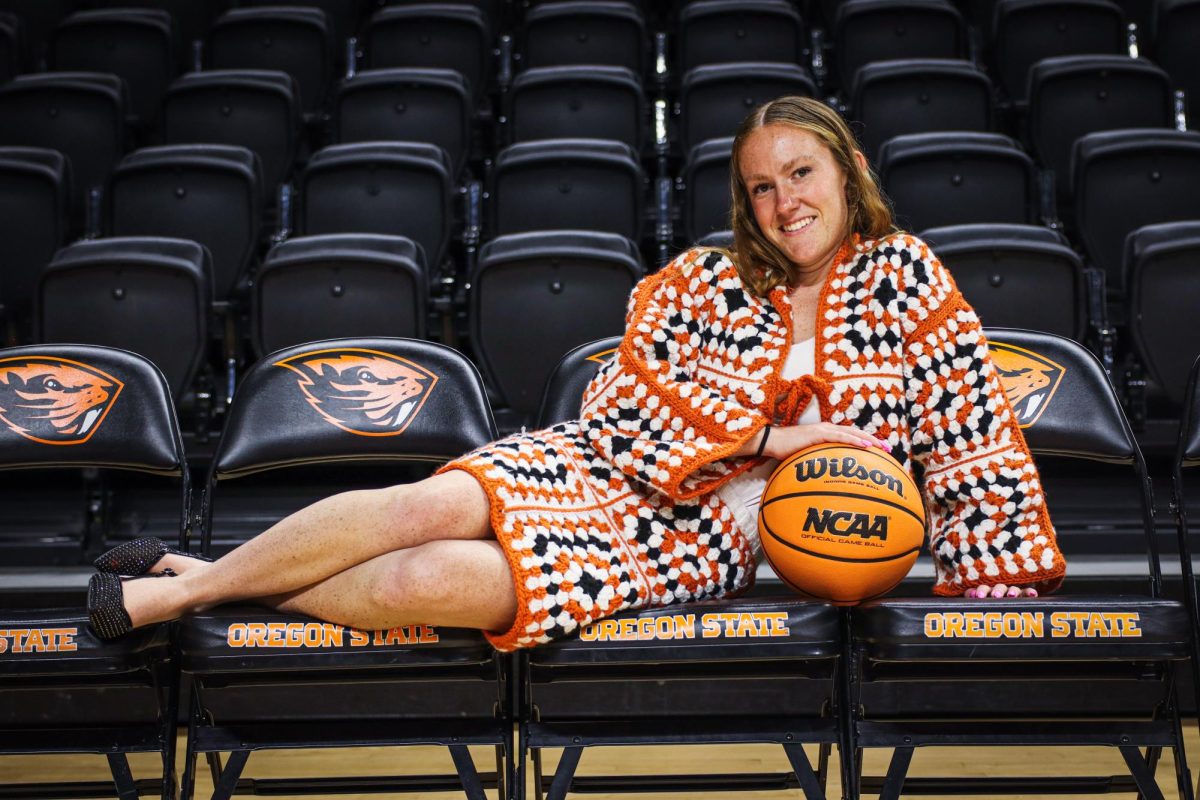
“Androgynous style is just whatever I’m most comfortable in,” shares Kyra Patterson, a senior at OSU. “I love that era because of how much they were pushing the boundaries . . . I feel connected to it because it’s women empowerment.”