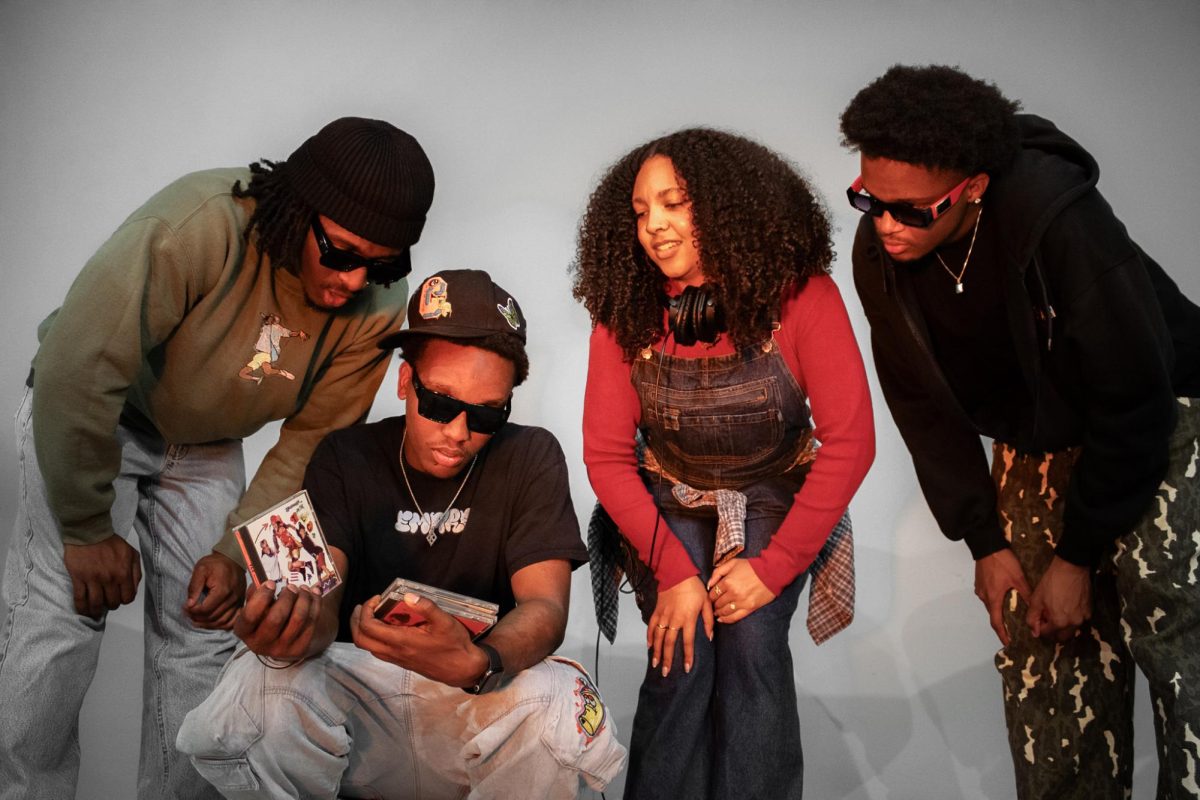

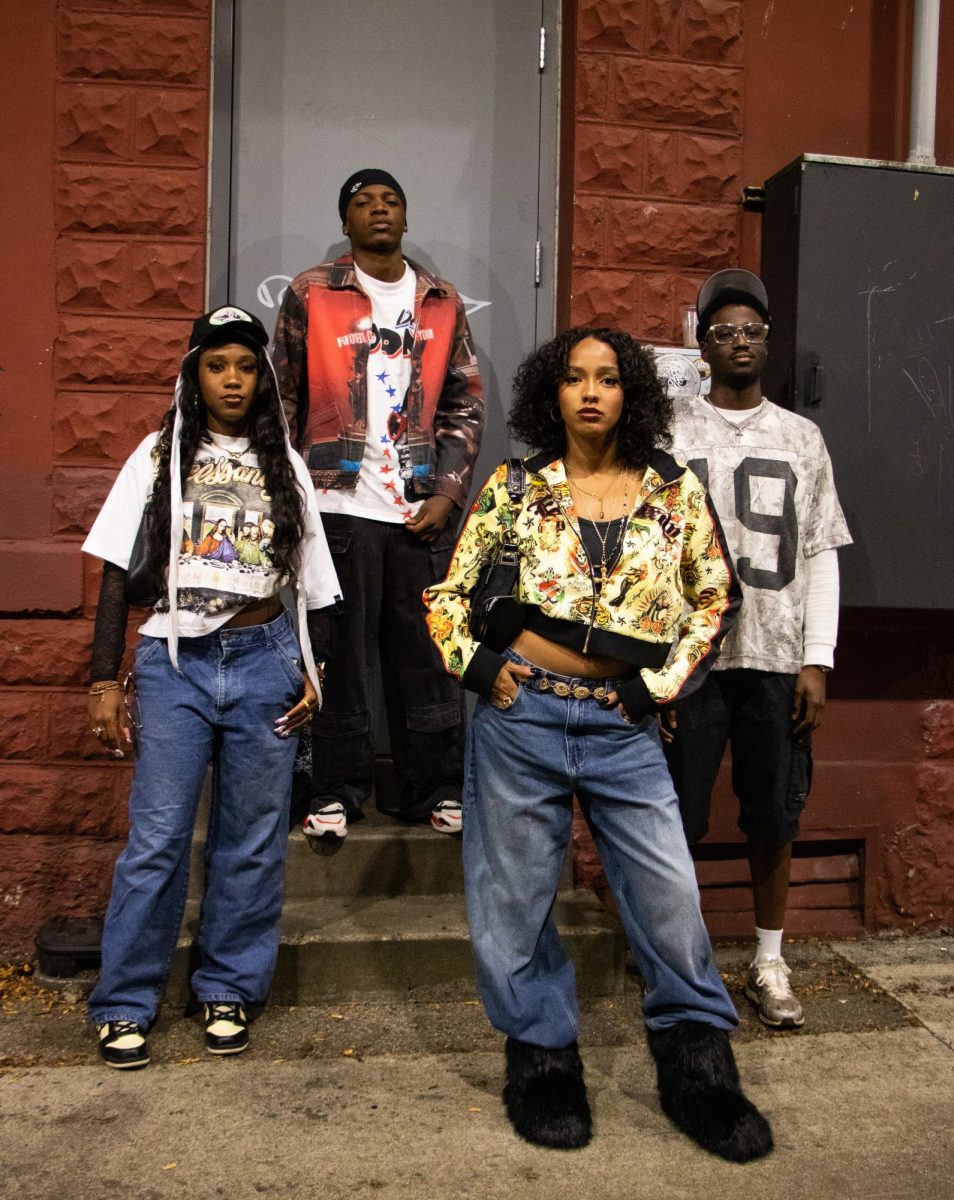
With the beats of rap and the smooth sounds of R&B, streetwear becomes its physical counterpart, communicating the identities and voices of Black communities.
Today, streetwear is everywhere, from the street to malls to the runway. It is a blueprint for Black people’s culture, music and movement.
Speaking to students from different backgrounds meant understanding that rap and R&B were not just influences on streetwear, but the defining factors.
Amyah Warren, a fourth-year marketing major, connects the style back to R&B icons she grew up with, naming Aaliyah, Brandy, Queen Latifah, Lauryn Hill and Destiny’s Child.
Noticing the connection between Black culture’s roots in rap and R&B, Warren says, the genres help people reconnect with their beginnings. “It’s a way for us to connect to how we started to accept us standing out. Our culture was and is still big on fashion and is so recognizable to the eye.”
The power of rap and R&B as genres helped to amplify the feminine power of Black women, reshaping how they viewed themselves in fashion.
For Travolis Williams, a fourth-year marine biology major, streetwear is more than just an aesthetic style. “It was a sign of resistance,” he says. “When you wear all black, it is, in a way, frowned upon for anyone to wear.”
“In my own experience, people walked up to me and said, ‘You only wear this to a funeral.’ When the Black Panthers were a movement, it was a sign of militarization and resistance.”
He says that through rap and R&B, Black communities established their own standards for style and power. “Streetwear makes fashion inclusive and breaks that separation of social hierarchy.”
Even then, those outside the Black community can recognize the undeniable influence rap and R&B have on streetwear as a style.
“Artists that are in these categories of music come from the same or similar backgrounds… heavily based in the Black and Mexican communities of the U.S., where streetwear takes heavy inspiration from,” says Kelsey Olivas-Rosas, a fourth-year product and merchandising management student.
“As someone who follows fashion closely and is also Chicana, I have seen the direct ties between these two things,” Olivas-Rosas says.
Streetwear is that visual representation of that message, bringing to life the defiance and rebellion against discrimination.