

Every pivotal point in history has involved the arts and their expression as a catalyst.
Critical social issues such as LGBTQ+ and women’s rights, disability access services, and racial justice have seen much progress in the last century, led by the deranged and misguided who have bravely battled on the forefront to establish change.
It may be an oversimplification to say that change starts with just one person.
But it can.
Personal expression and how one expresses their own individuality within a group bring a community together. By creating the things we want to see in the world – through fashion, film, music, or protest – we find our friends to brave the battlefields of a constantly evolving social climate.
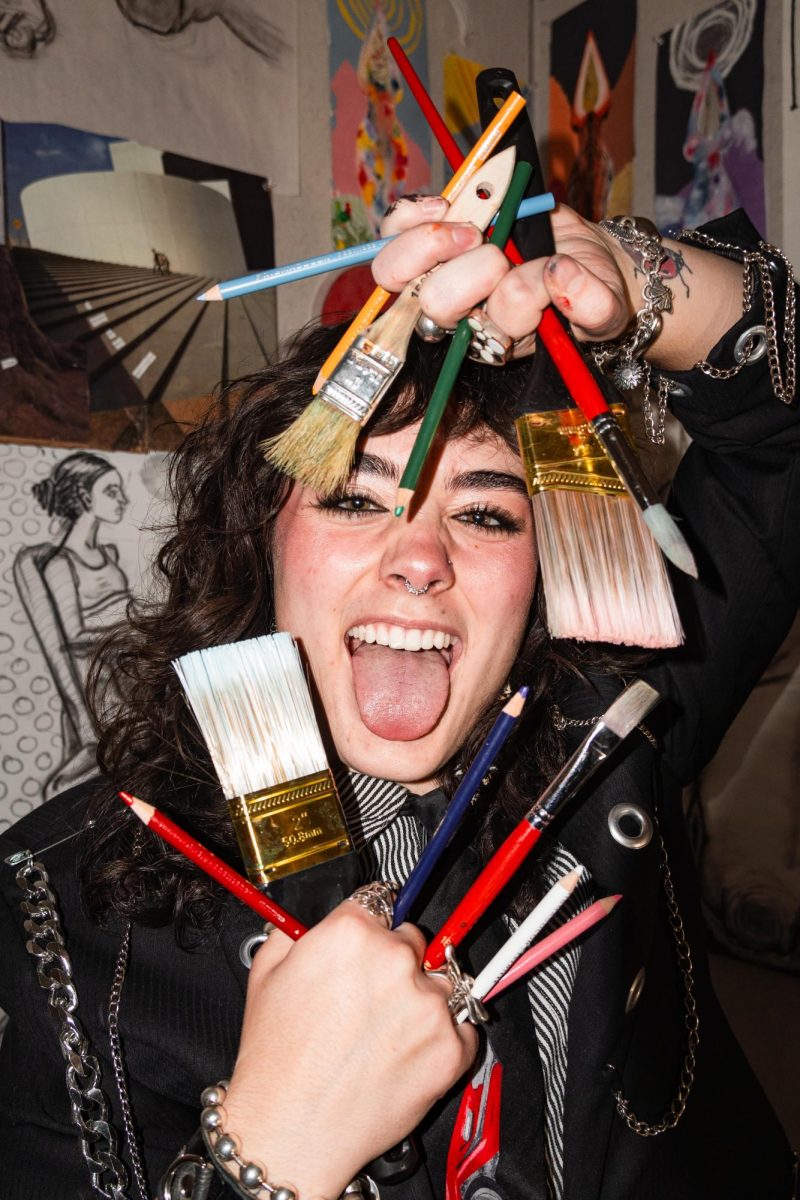
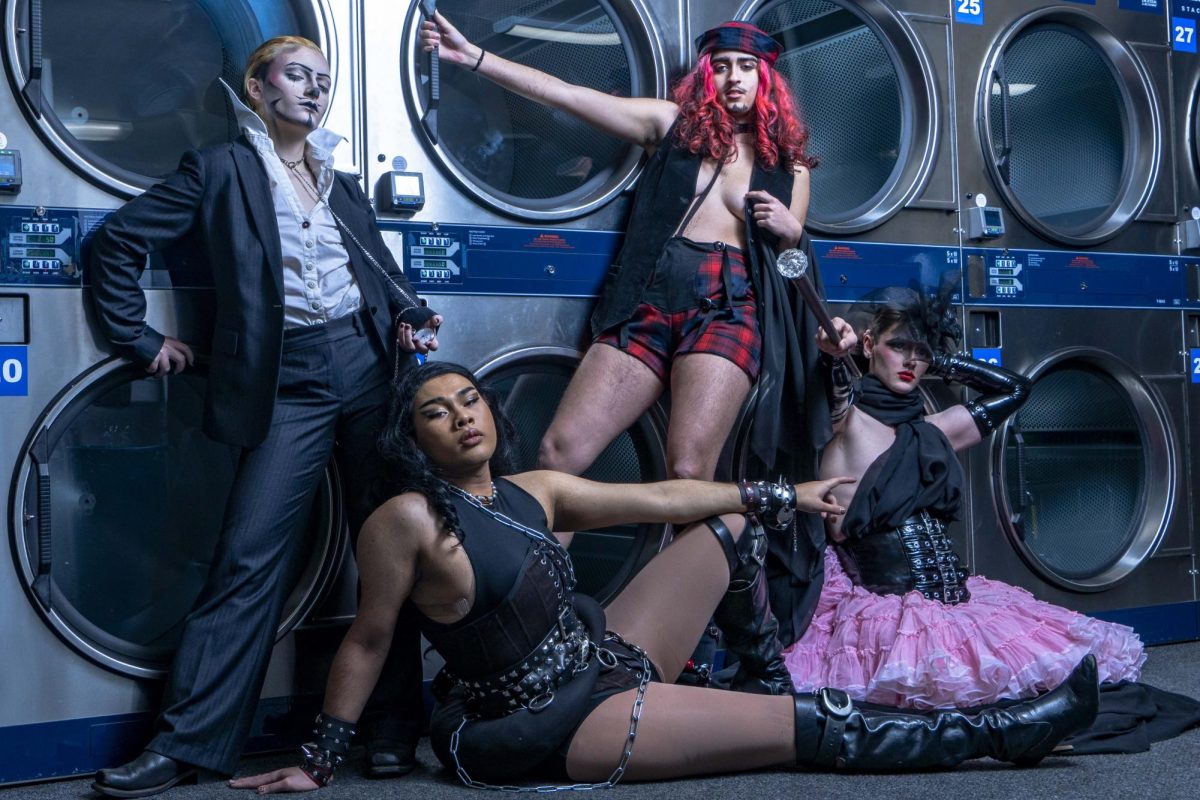
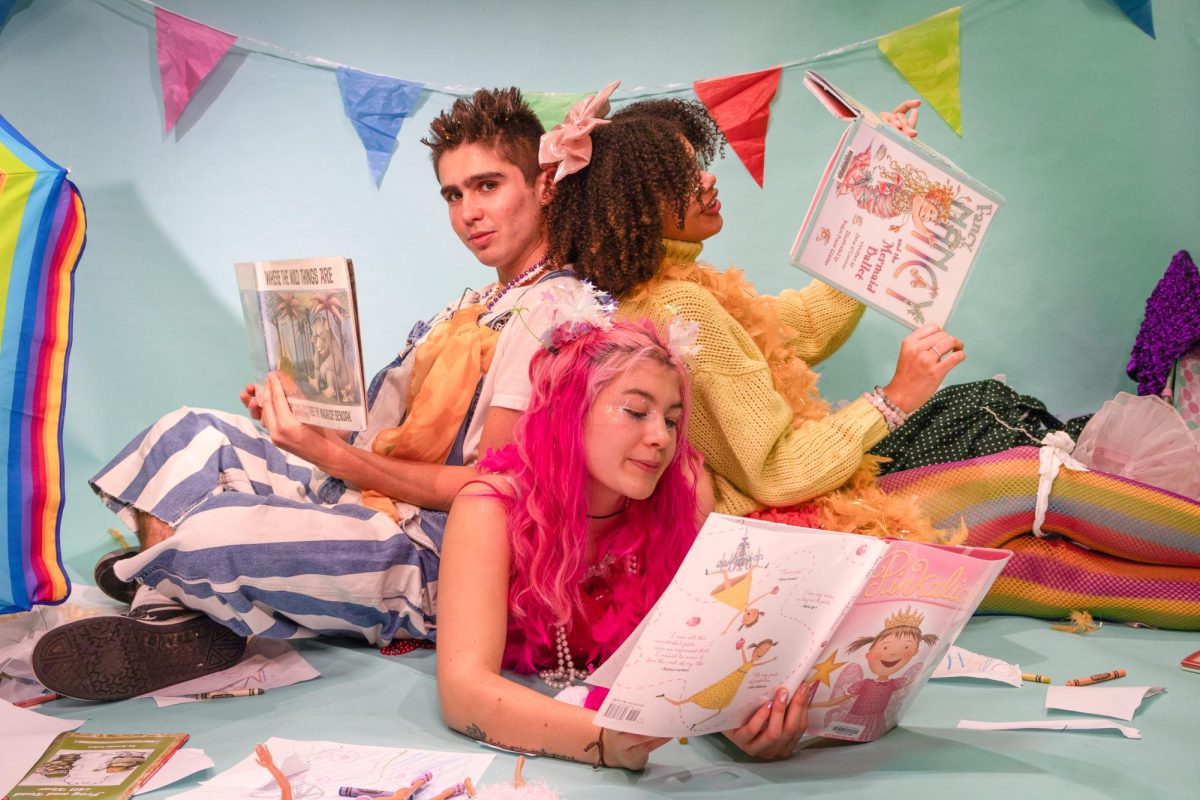
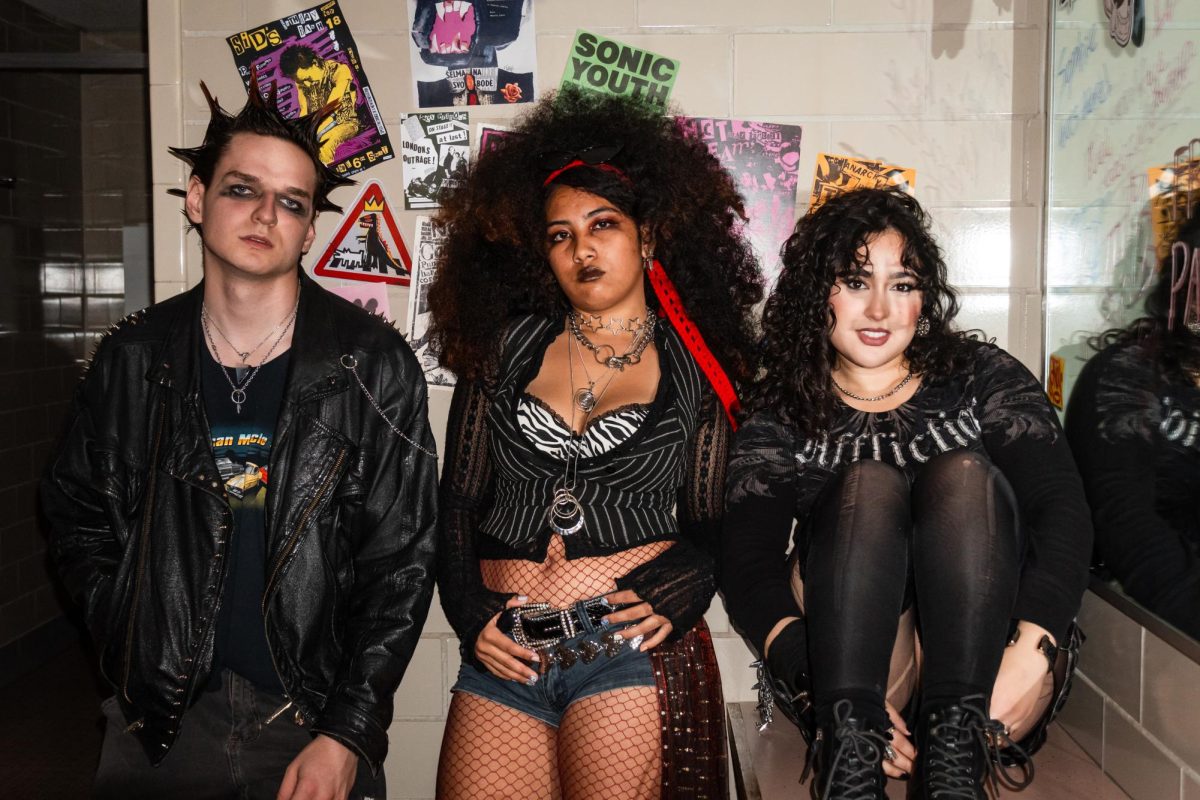
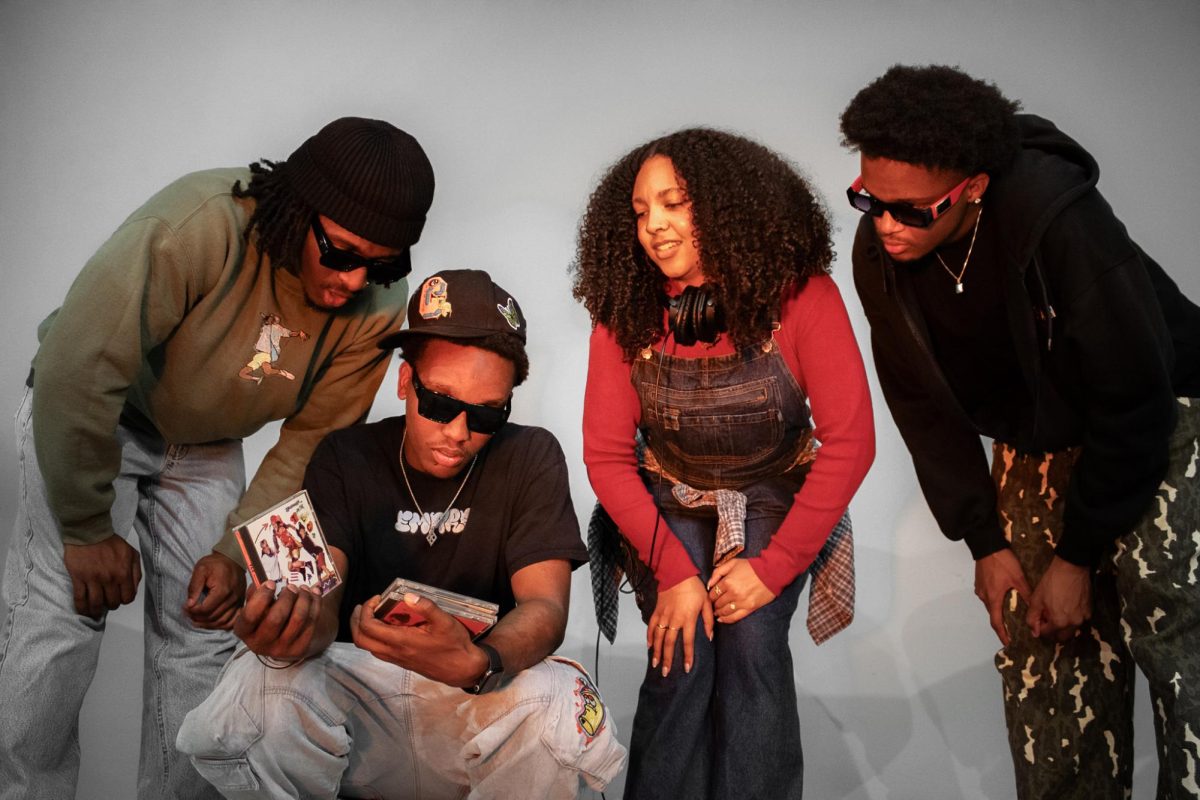
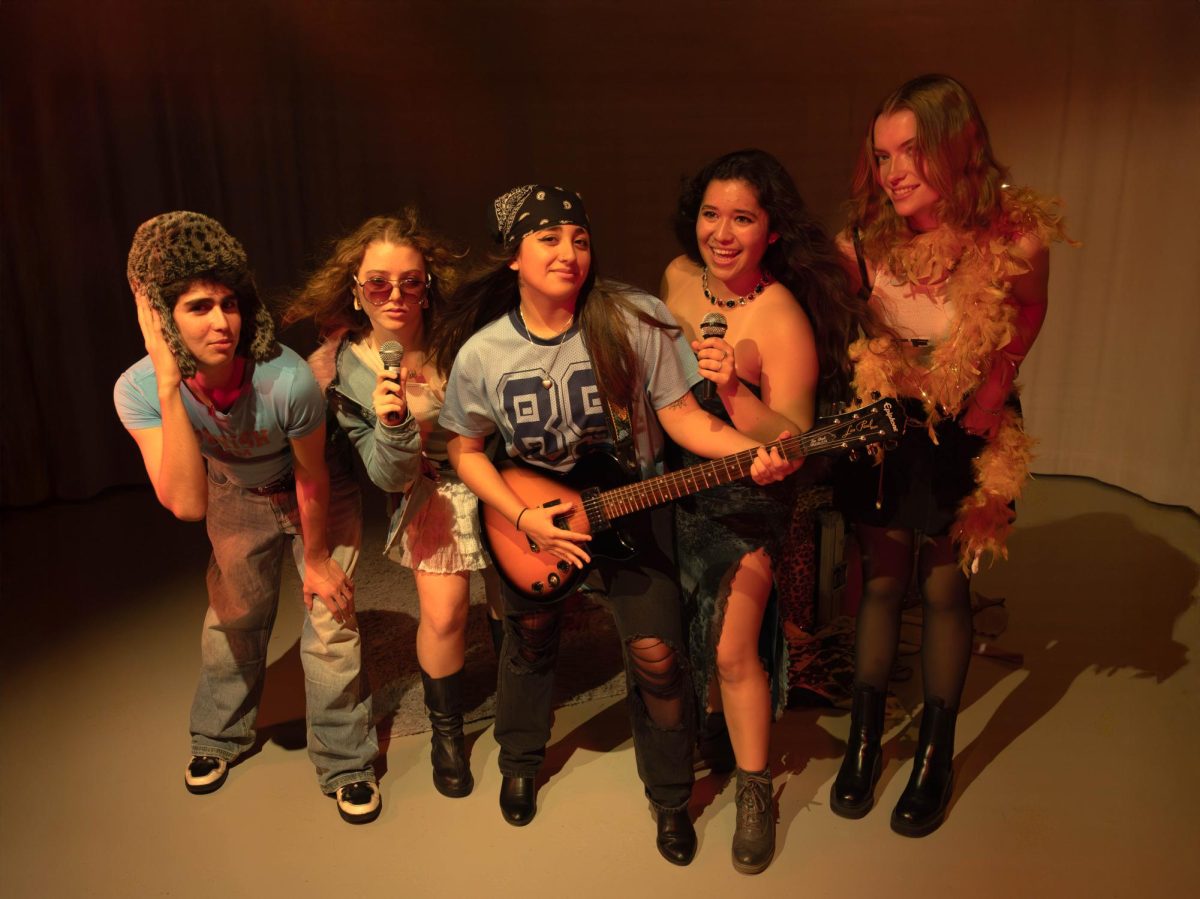
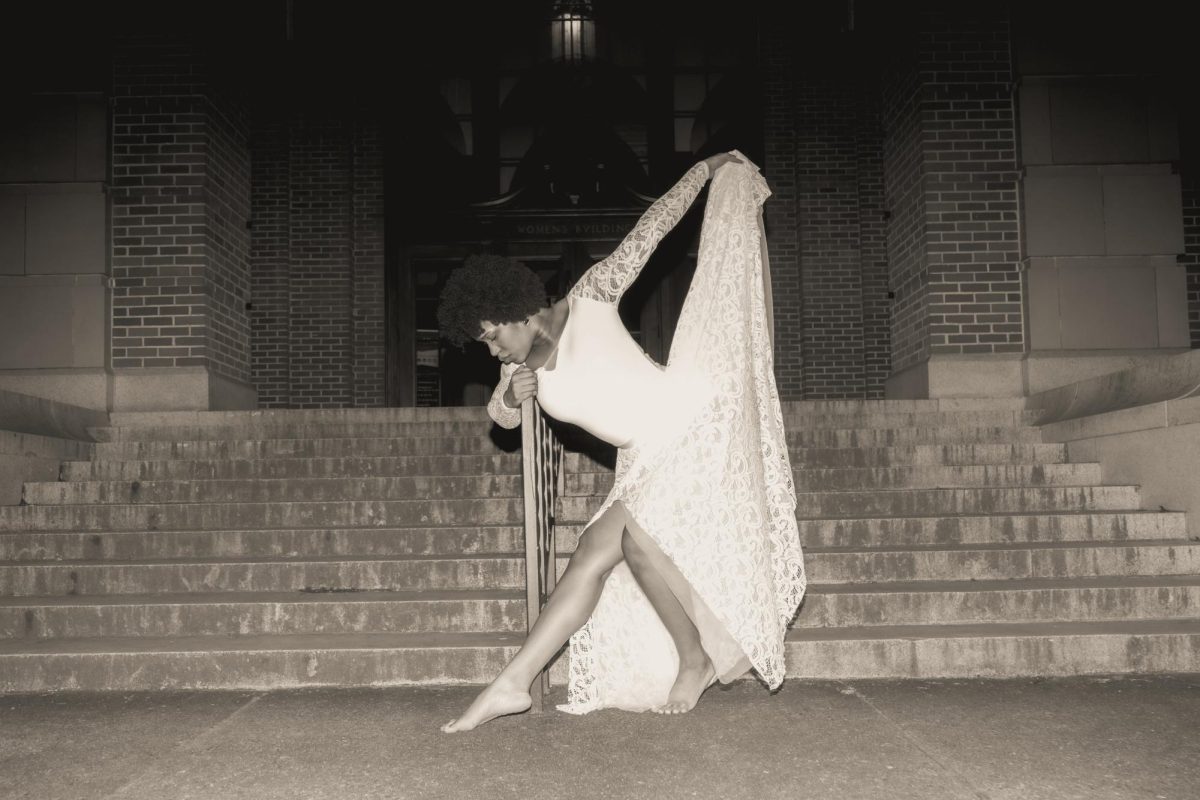
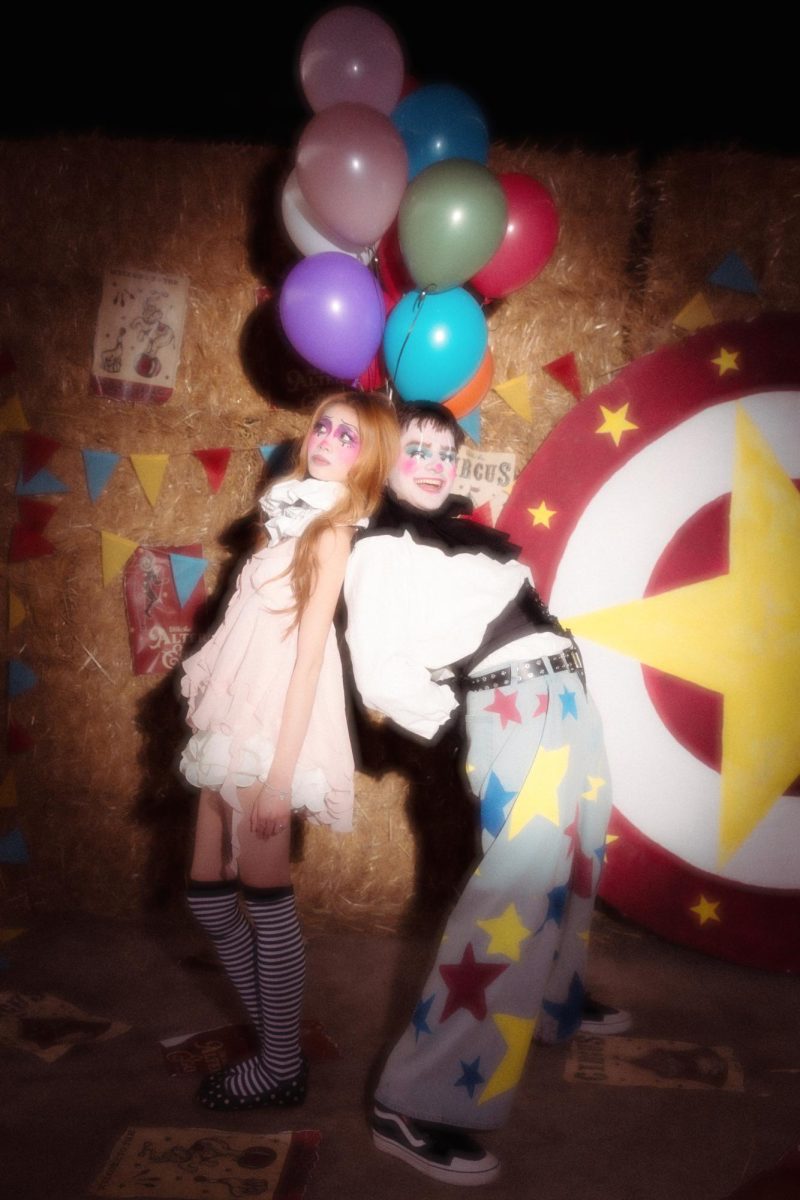
“Fashion encourages me to be myself by allowing me to put on creative armor,” said Fisher Cooper, a senior at Oregon State and a model featured in this shoot.
A cultural lens is necessary for creating art that reflects our social systems. The 1980s became a golden age in the development of radical creativity in mainstream media, making space for the estranged and avant-garde.
For example, artist Keith Herring used his cartoon drawings to address themes of drug abuse, institutional violence, AIDS awareness, and acceptance for all. David Bowie and his character Ziggy Stardust were an alien rock star who challenged gender stereotypes and provided a voice for the LGBTQ+ community.
“What does postmodernism in the fashion realm mean? It’s sort of blurring gender boundaries” said Jennifer Mower, professor of contemporary fashion history, and manager of the historic and cultural textiles and apparel collection.
These artists, not always appreciated for their perspectives, showed society the importance of embracing each other’s differences. The 1980s used history as a reference point for the deranged and misguided to redefine social norms and values. A postmodern approach to life replaced traditional ways of thinking about gender.
David Bowie, a glam-rock artist from the 1980s approached music and fashion with a blend of vibrant color and abstract electronic sound, and was heavily influenced by flamboyant and luscious fabrics associated with 18th-century British fashion.
This was a time for revision. The rejection of norms became an integral aspect of storytelling and social commentary in their arts.
Glam rock became a defining subculture of the 1980s, characterized by experimentation and synth-heavy sounds introduced by innovators like Depeche Mode and Gary Numan. Artists of this time, across all art forms, used their reflections on society to inform their postmodern approach to their works.
And now, on the edge of a new year that will surely be marked with impactful sociopolitical changes, history is being reflected back at us: the new generation. Differences are being used to alienate us rather than bring us together.
“A lot of activism starts small and then it starts to build,” said Natalia Fernández, the curator of OSU Queer Archives. “People start talking and coming together, communicating, and seeing how people continue to be inspired by the types of protests, sit-ins, flyers and marches and looking at how peaceful protests have worked.”
There is no better time than now to find your community and fight for our future. We each present our own unique expression, and therefore, we must be imbued with an innate sense of creativity. All we need to do is embrace it!
Navigating life at Oregon State University as young adults is a social battlefield in and of itself. We must remind ourselves in such an amorphous phase of life that we have the capability to create the connections we need. Access to resources, people, and diverse lived experiences allow us to collaborate with and learn from each other to uplift our communities and, ultimately ourselves.
As said by Fisher Cooper, “creative expression is boundless… so, creative people are boundless and the interpretations are infinitely more.”
Let the deranged and misguided change the new world together.