
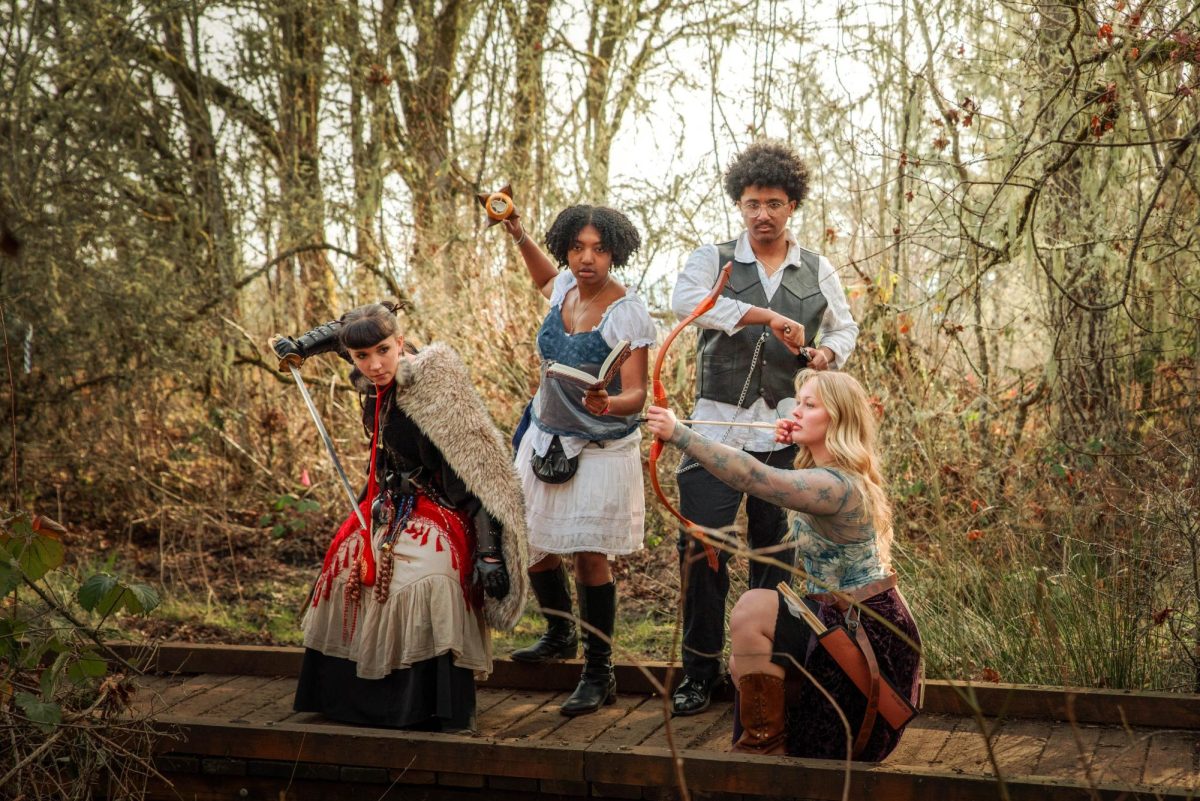
Fashion and fantasy both ask the same deceptively simple question: who do you want to be? Role-playing worlds like Dungeons & Dragons (D&D) invite players to step into alternate identities and explore different facets of self-representation in ways everyday life rarely allows.
Since its introduction in the 1970s, D&D has grown from a niche tabletop game into a pop culture phenomenon. With an estimated 85 million players worldwide, its developer, Wizards of the Coast, has influenced fantasy authors, video game mechanics, and media we know and love, like the TV show Stranger Things.
Part of what has made D&D such an enduring phenomenon is that it’s inherently communal. The game doesn’t work alone; it requires trust, imagination, and collaboration. Bryn McDonough, a natural resources major and former rogue swashbuckler, describes how quickly that bond forms.
“As long as you have at least three people who are willing to play and give it a shot,” she says, “after the first or second session, everyone who plays D&D is hooked.” When McDonough first arrived at OSU, she barely knew anyone. Two years into a campaign, strangers had become close friends.
Marshall Frej, president of LBCC’s Tabletop Role-Playing Game Club, explains that early characters often act as mirrors. “As a newer player, I think it’s most common to make a self-insert right off the bat,” they say. “The first character you play is always going to have a lot of you in it.”
Over time, that reflection can become exploratory. Frej has seen players test identities they had not yet expressed in real life. “I know many people who realized they were gay or trans or any number of things by playing a character like that in a safe, no-consequences setting.”
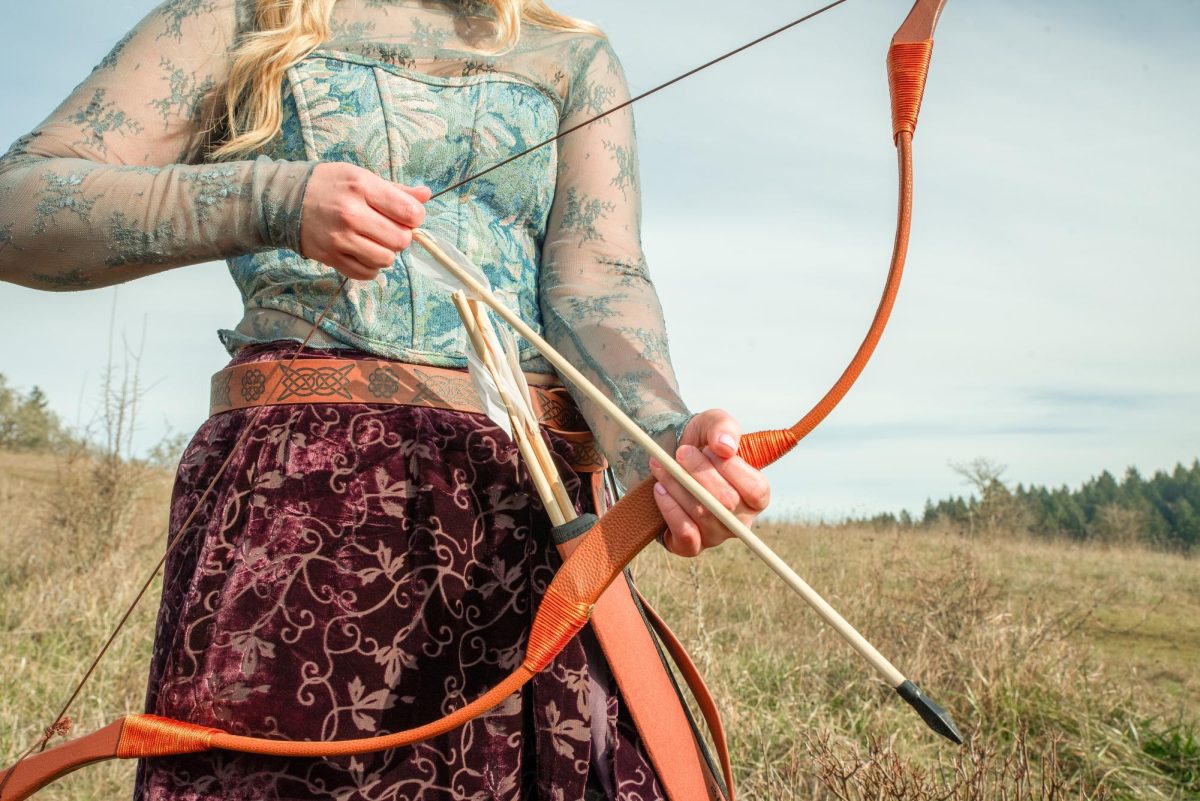
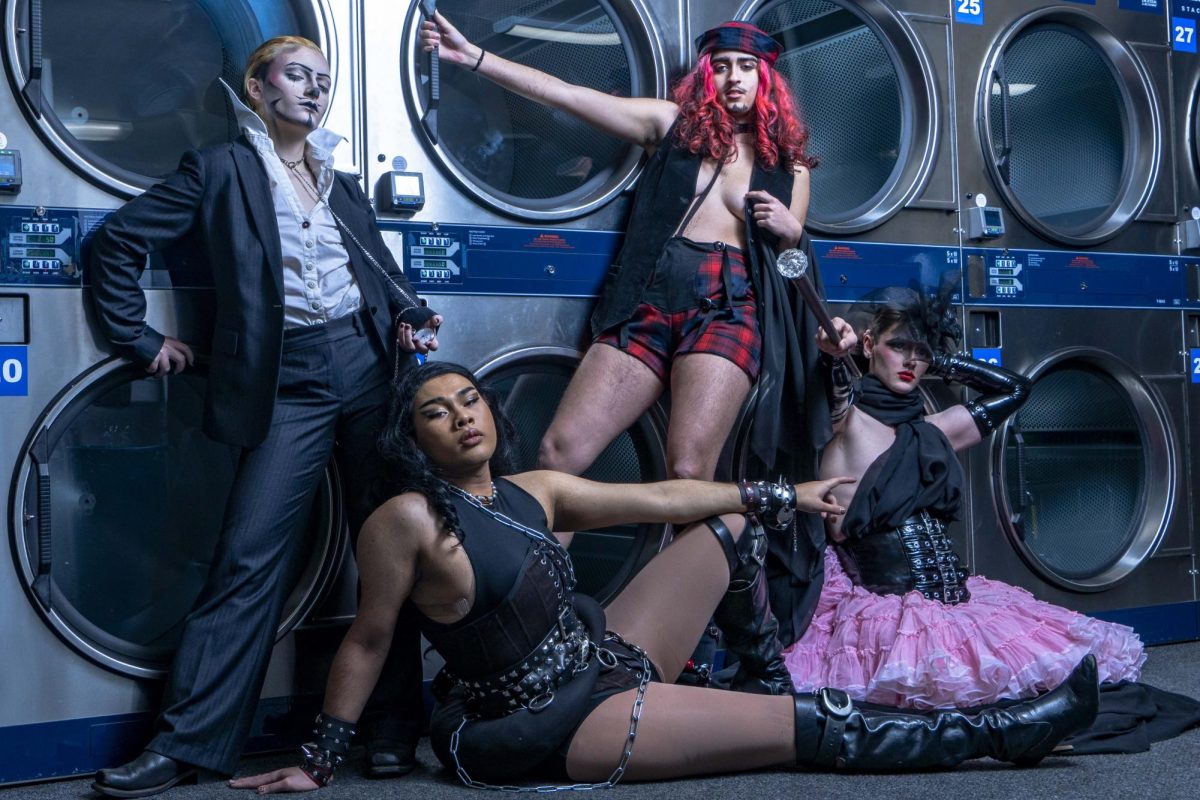
In D&D, clothing is a crucial part of fleshing out a character. “Fashion is very woven throughout all of Dungeons & Dragons,” McDonough explains. From official class designs to character art, clothing is one of the earliest and most expressive choices players make. Outfits can be practical or extravagant, familiar or aspirational. McDonough describes her approach simply: “How do I make a cooler version of myself?”
Those choices matter. Frej sees it constantly at the table. “My players sit there doodling what their characters are wearing all the time,” they say. “It’s often the first thing people describe.” A rogue’s sleek leathers communicate something entirely different than a fighter’s heavy armor. Style becomes shorthand for personality.
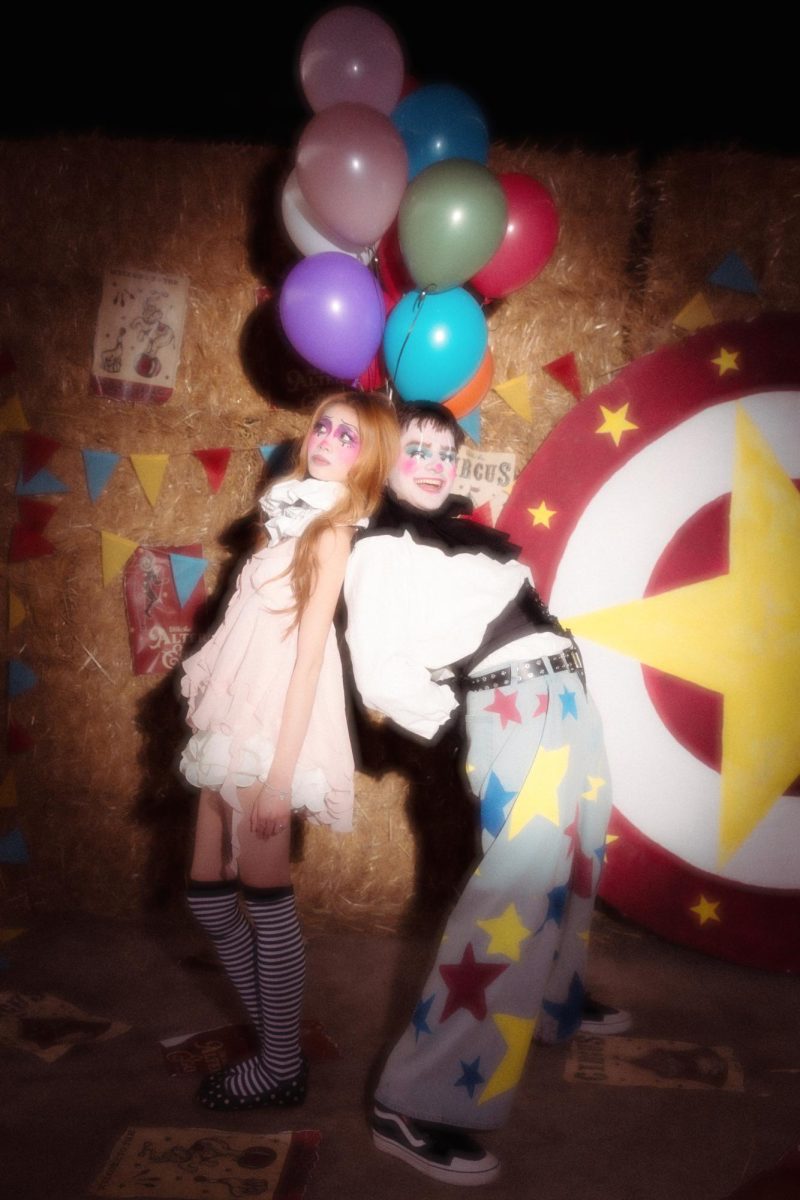
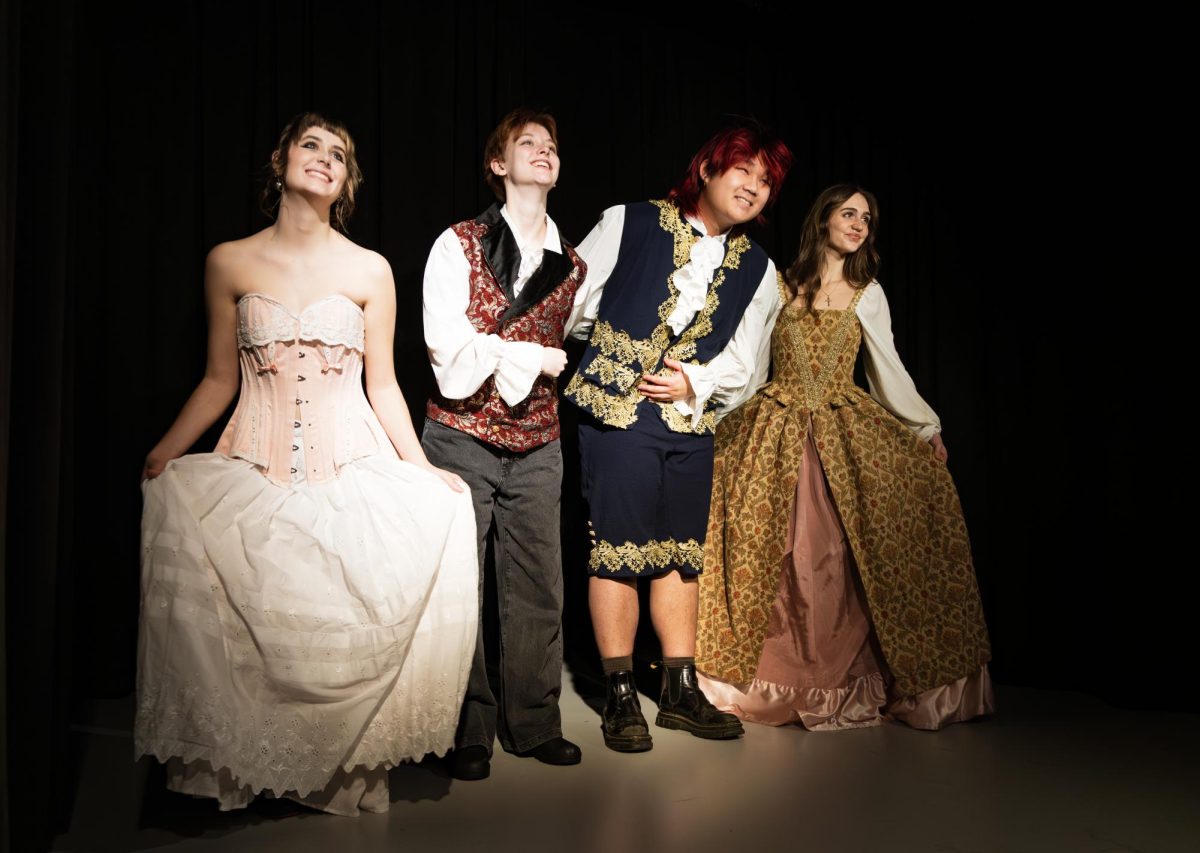
Cosplay takes that storytelling off the page and into the physical world. At OSU, cosplay communities transform fantasy into something tangible through crafting, collaboration, and performance. Emma Sparkman, a member of the OSU Cosplay Club, describes cosplay as both a process and a narrative.
“It’s more of a challenge to see how complicated I can make things,” she says. “Any skill I have to come across for a character, I’ve kind of taught myself how to do.”
That sense of permission to dress boldly and without justification comes up again and again.
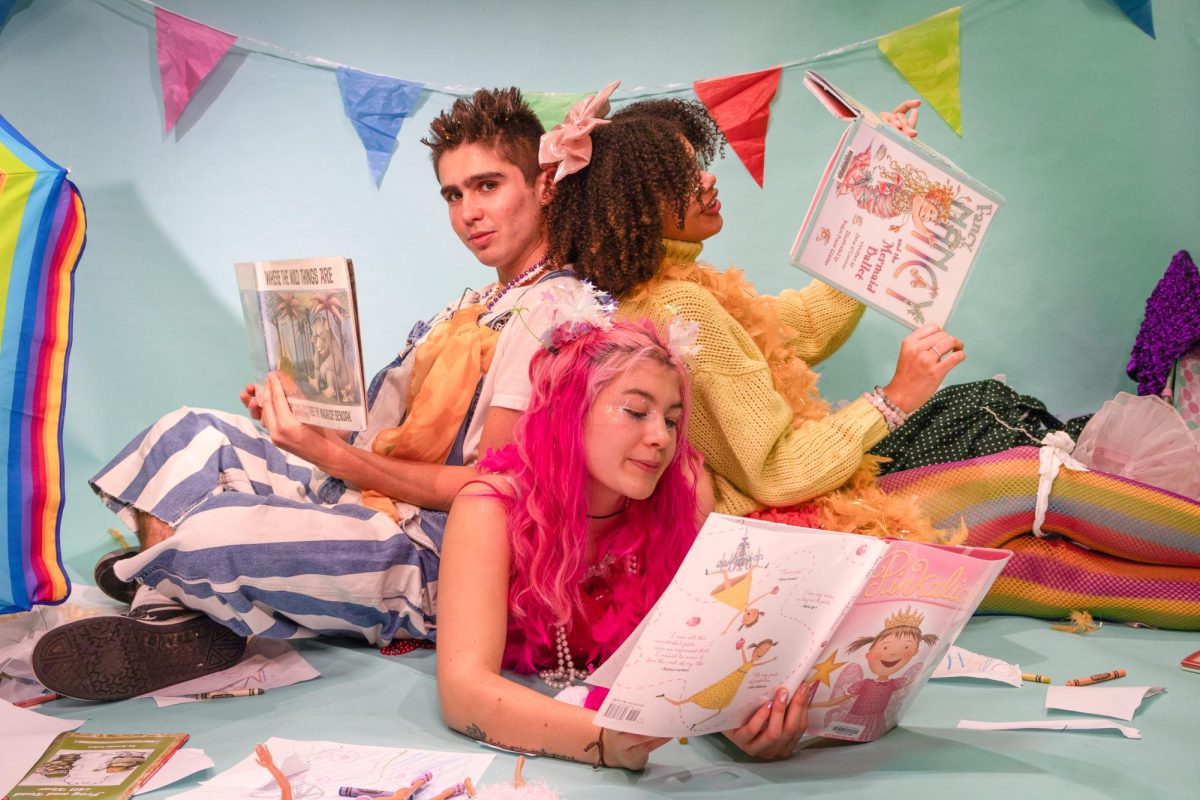
“You don’t have to have a reason to dress up or look really fun or flamboyant,” says Izzy Lanzar, a cosplay club leader. Through cosplay, she’s found confidence in everyday outfit experimentation that once felt second nature: “I’m definitely branching out more, turning into that little fashionista I was as a kid.”
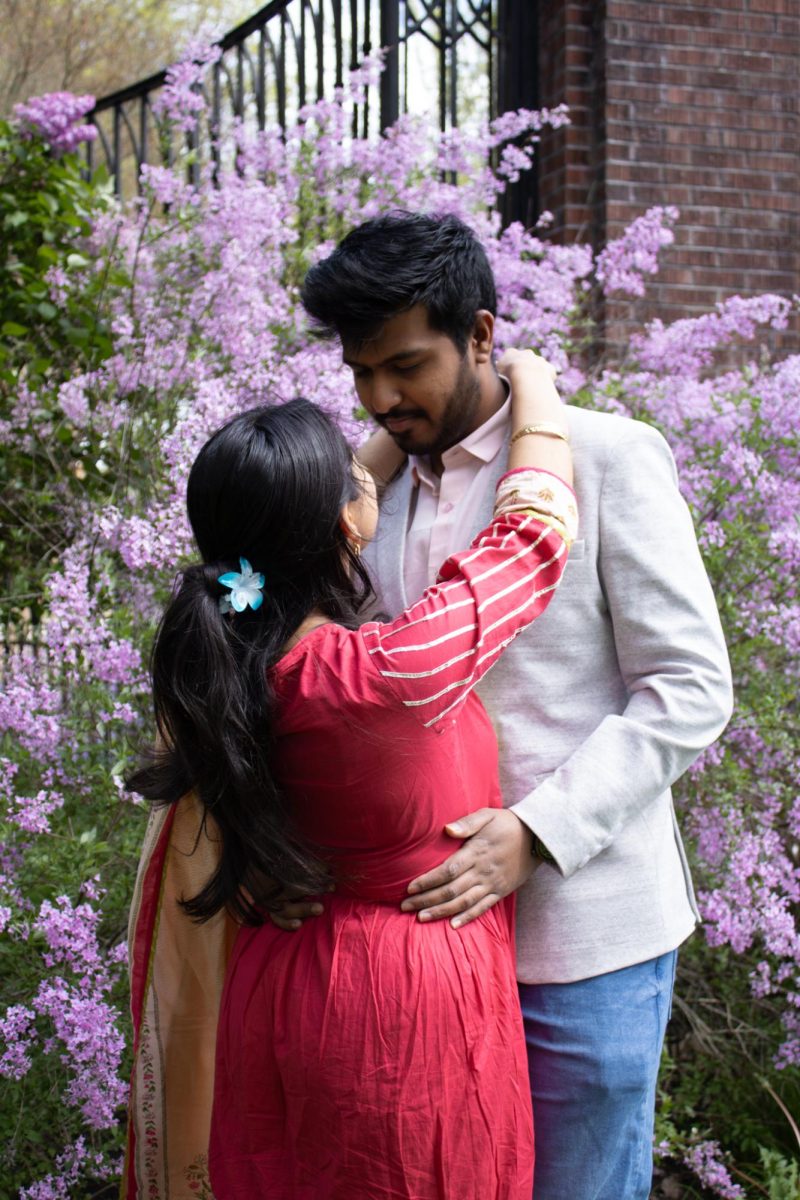
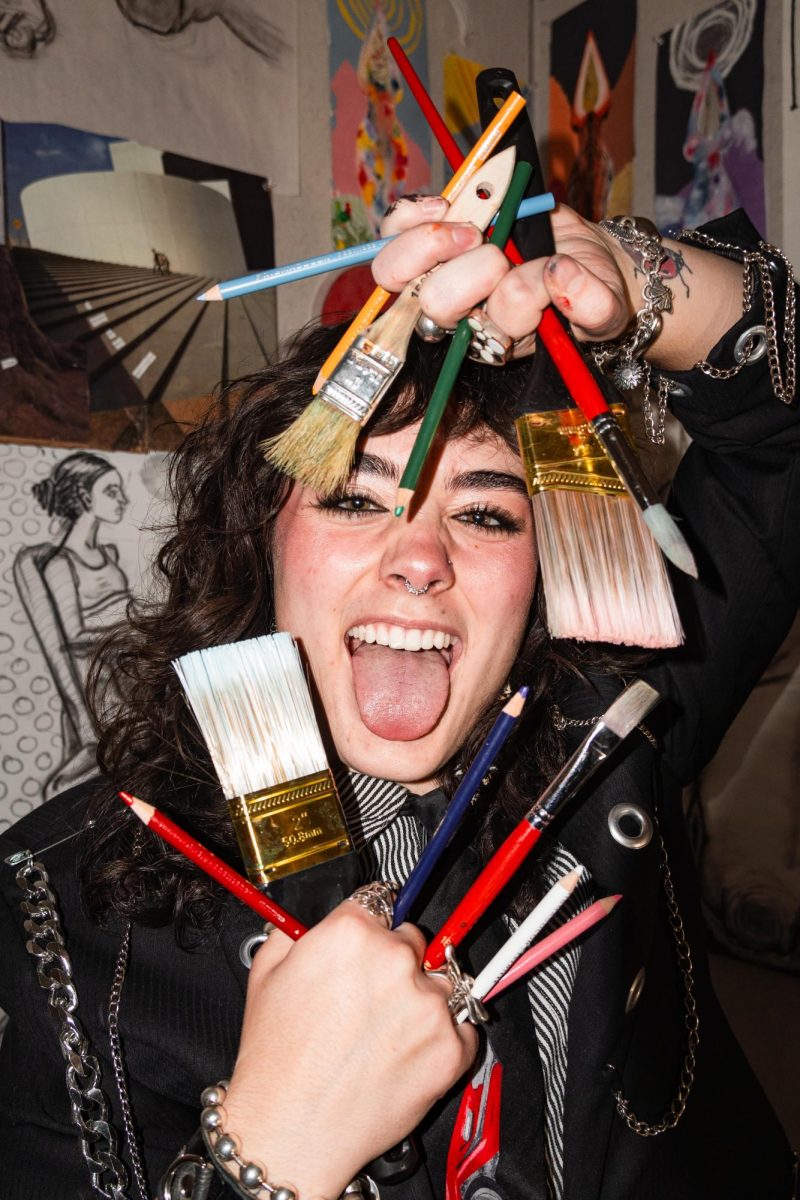
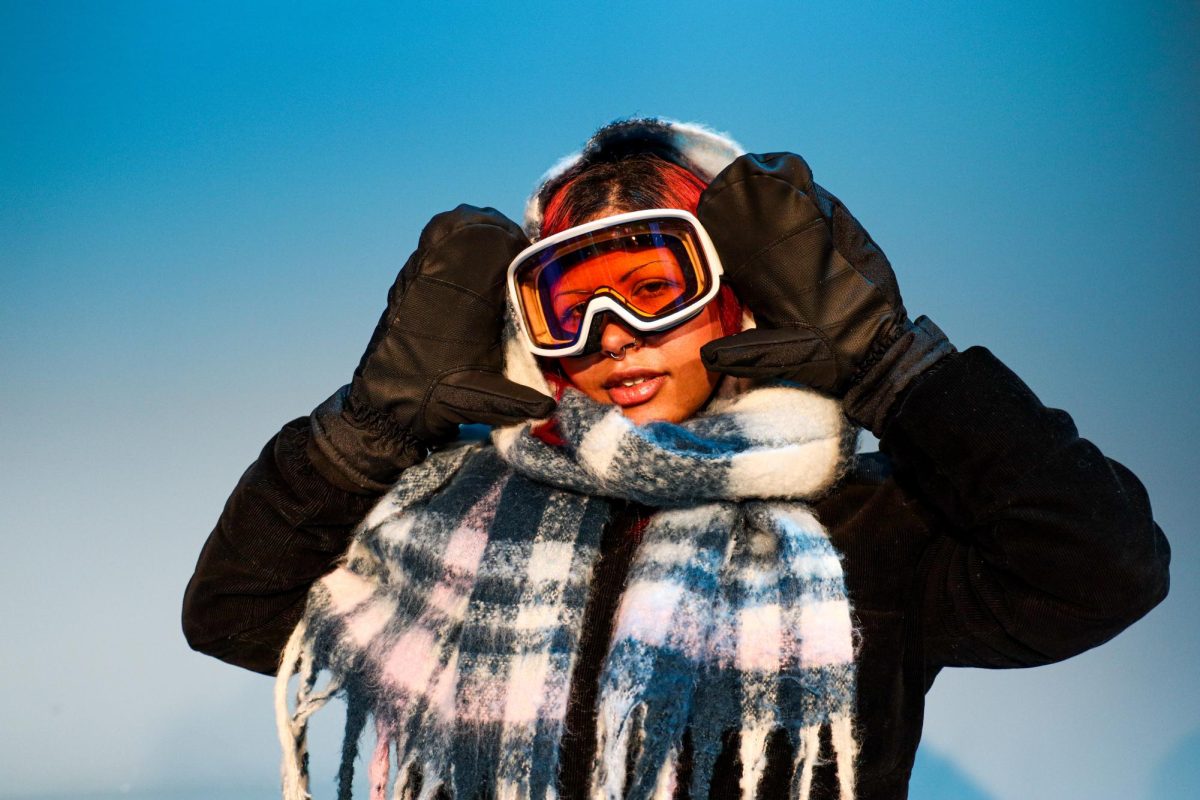
These forms of expression aren’t about escaping reality, but about engaging with it differently. Fashion and fantasy allow us to try on identities, build confidence, and imagine who we might become.
Curious to try it yourself? The OSU Cosplay Club is a great place to start. Through community events, club meetings, or simply testing out a new alter ego, it’s an invitation to experiment with self-expression. Keep up with their events on Instagram at @osu_cosplay_club.