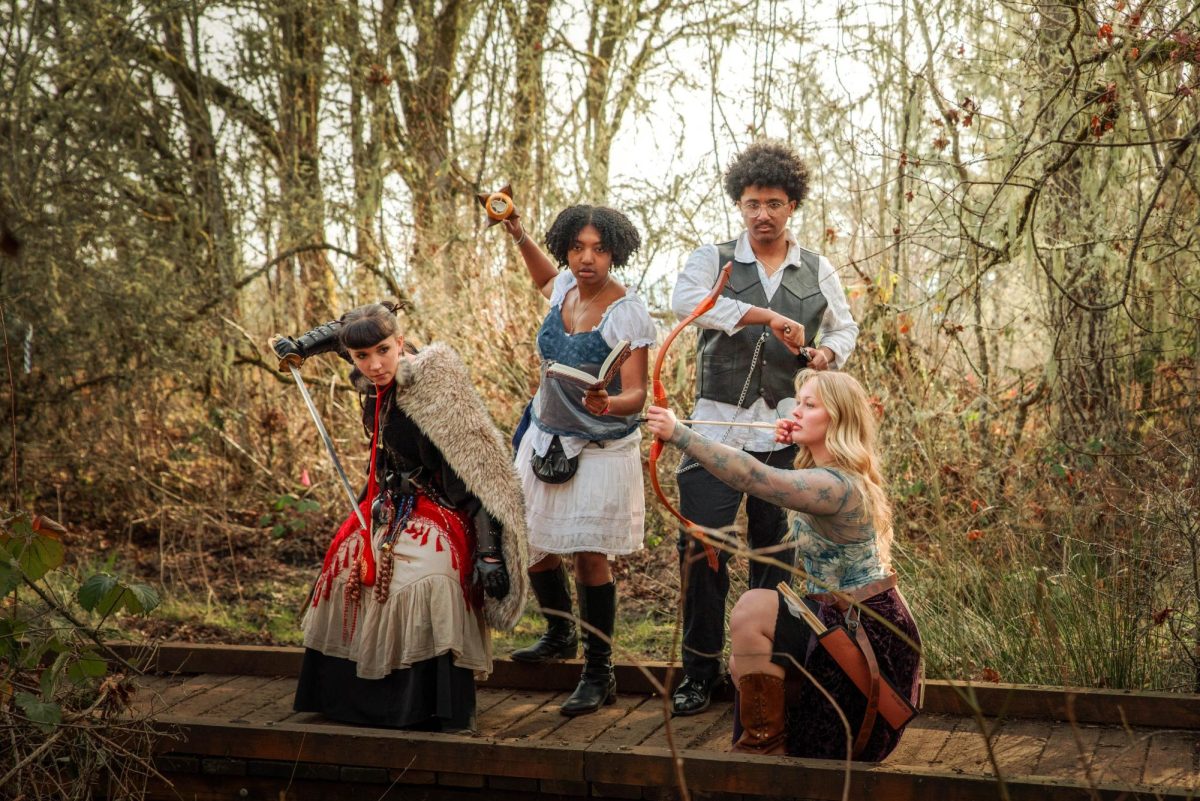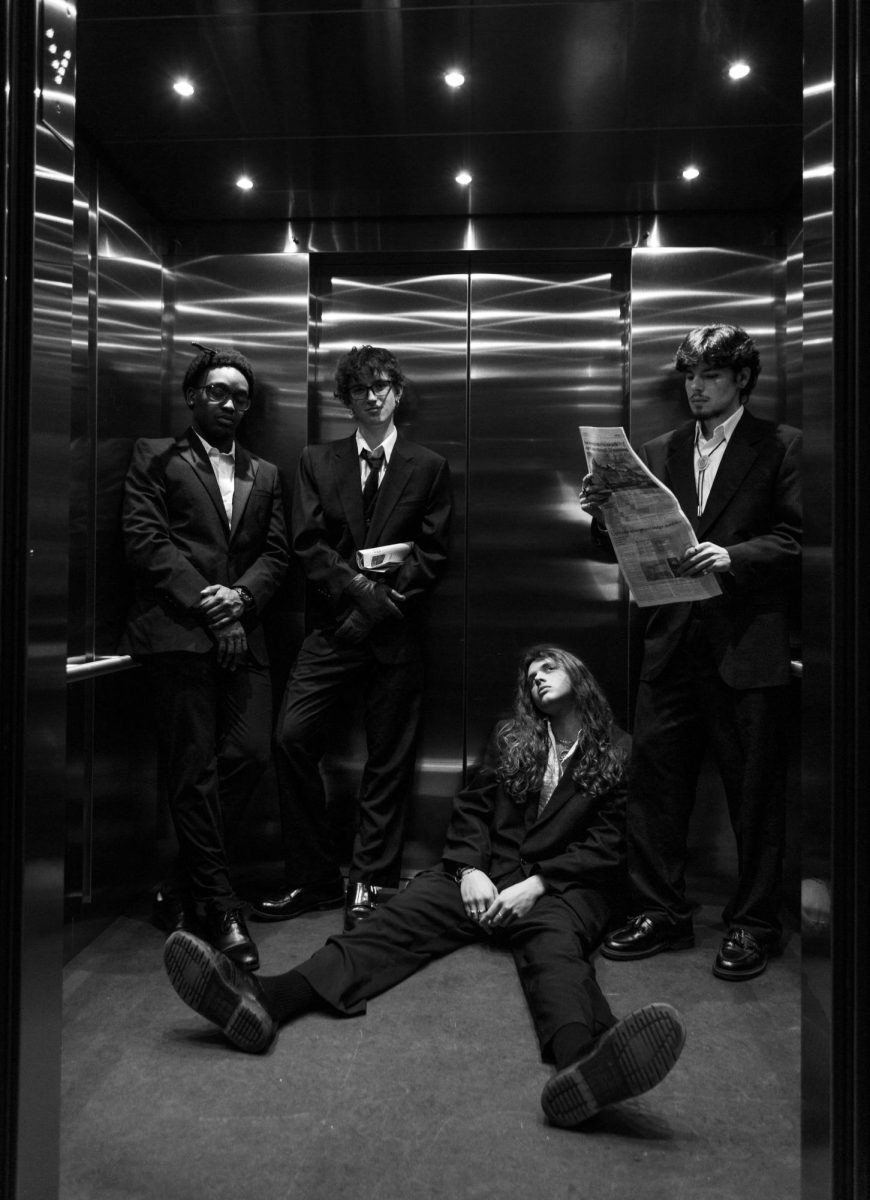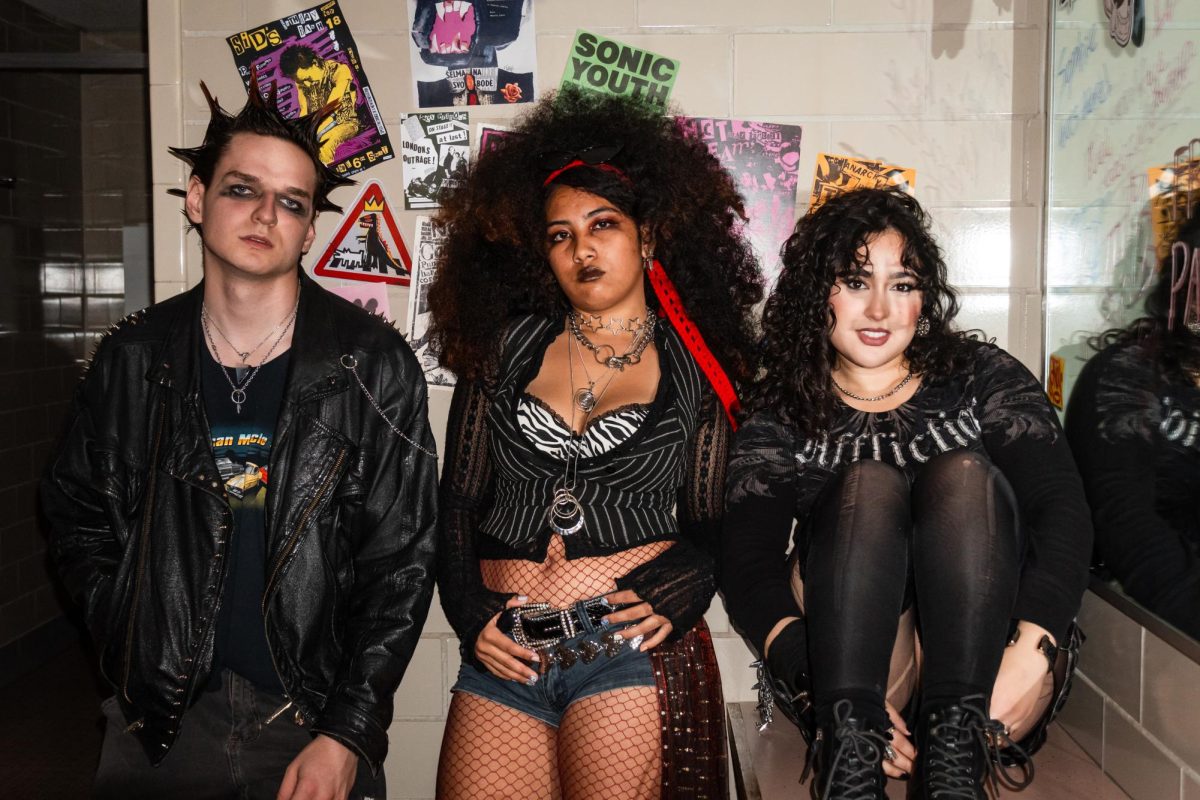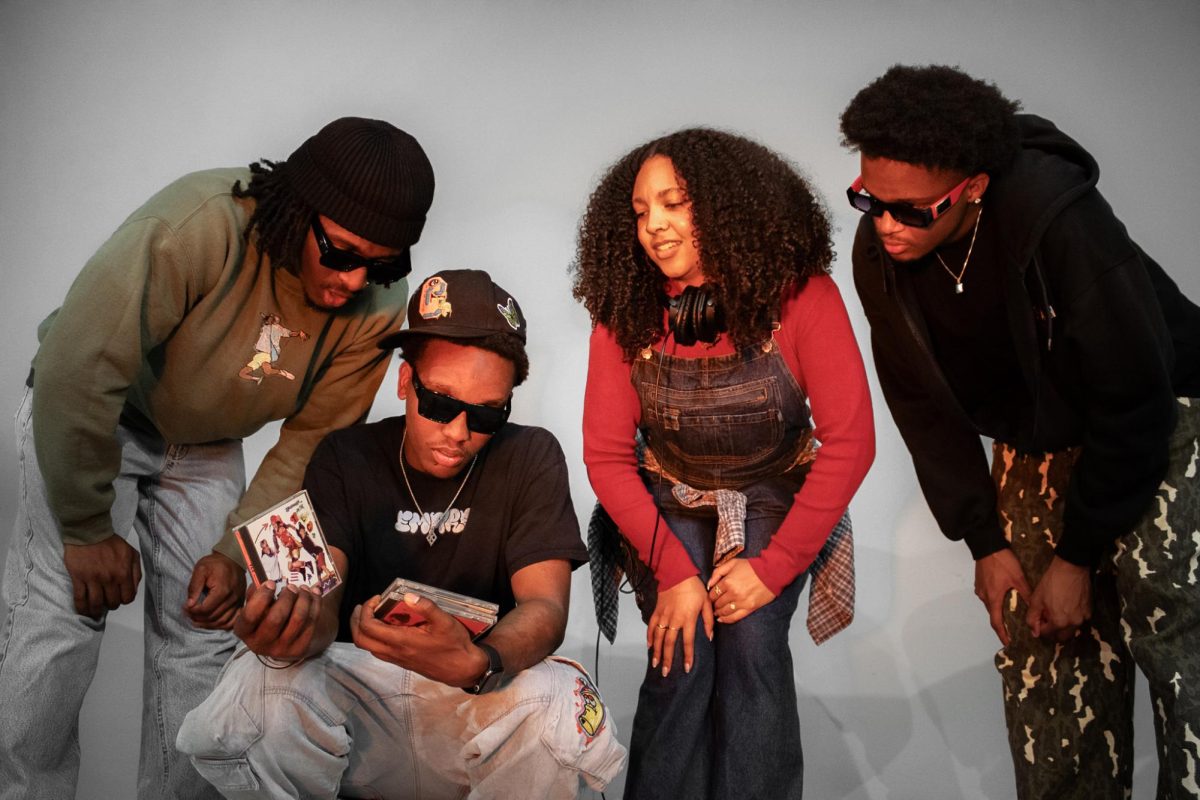

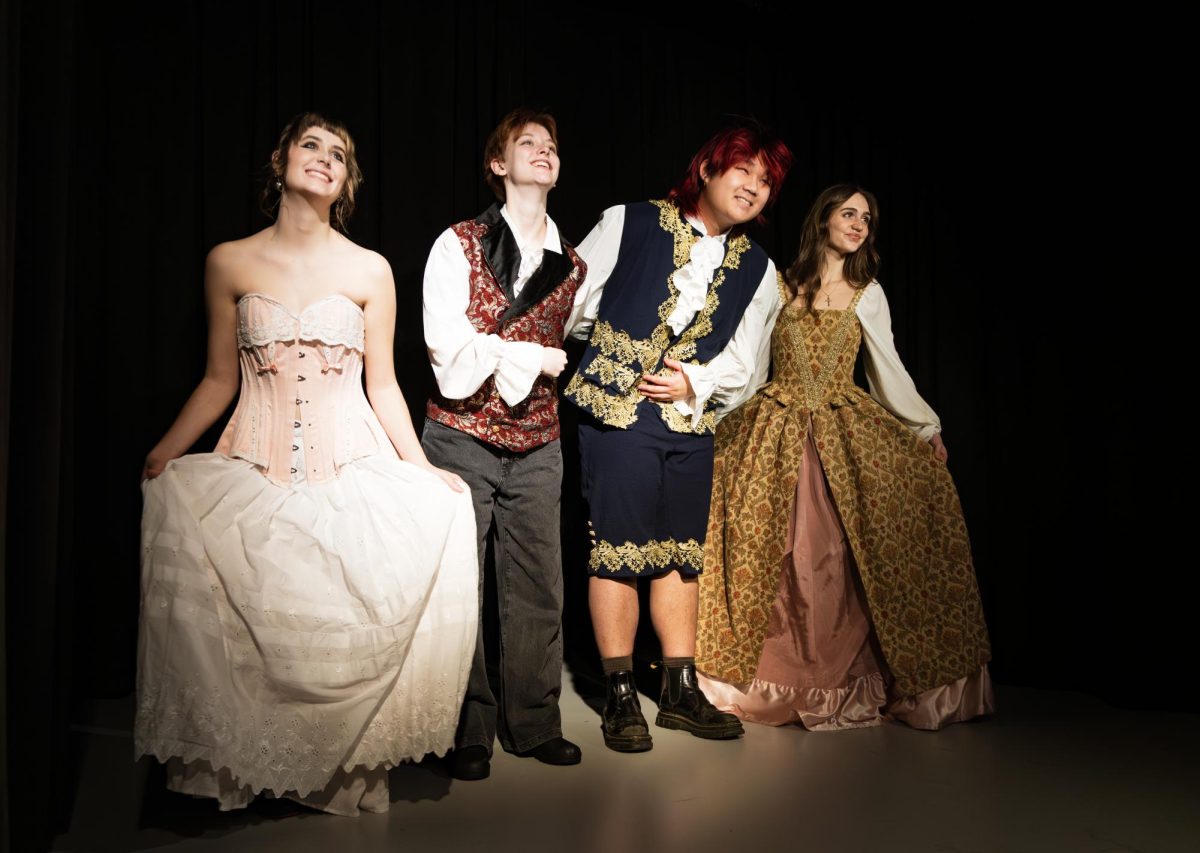
“The process of getting ready for a show is so much fun. You know, putting on your costume, doing your makeup and your hair and everything that you need to do. For me, it’s a very meditative process. The routine of it, it’s like physically stepping into that character and becoming that character,” said Jennah Campbell.
Campbell graduated from Oregon State in 2024 with degrees in theatre and psychology, and their description offers a glimpse into the vital relationship between an actor, a role, and their costume.
Before an actor steps into the heat of a spotlight and the eyes of an audience, how is the visual identity of their character crafted? This is the work of costume designers, dedicated artists who curate the wardrobe for theatre productions.
“A lot of being on stage [is that] you have to do multiple shows, but it’s the audience’s first time seeing it. It should be your goal to act like this is happening to you for the first time, and having a dress that is made specifically for the experience… helps you embody the moment,” Campbell explained.
OSU’s Theatre Arts Department Costume Designer and Senior Instructor, DeMara Cabrera, shared, “My job is to support them. Not to tell the story itself, but to support them and help them discover that character. I love that moment when it clicks. We’ll be in a fitting, and maybe it’s when we first put on a corset for the first time… You put on a corset and suddenly you’re like, ‘I get it!’”
After a decade at Oregon State, Cabrera has outfitted dozens of productions. When discussing costuming’s relationship with the audience, she explained that “ideally, if it’s a standard play, you can look at a character’s beginning costume and their ending costume and figure out what the story is.” Each selection is a piece of a larger puzzle, and when the job is done well, everything fits together seamlessly.
Portland Center Stage’s current costume designer, Lucy Wells, adds to this idea when explaining how designers portray a character’s transformation visually. “You can show a shift through color, texture, or even the adding or stripping of layers. In so many cultures and studies, there are different interpretations of colors and prints. They can symbolize status, our relationships to the people around us, and even age… Whether we realize it or not, our attraction to colors, prints, and textures can tell us about a story.”
So when watching a performance, take a moment to notice an outfit’s details and ask yourself: what was the intention here? Discovering a costume’s message may deepen your understanding of each character as well as the production’s greater themes.
Wells also expanded on how a character’s personality connects to the costume design process.
“Typically, the costume designer is getting to know the character long before the actor does. I have to consider: where does this person shop for their clothes? What does their closet look like? What’s happening socially or economically in the script, and how does that impact this character’s resources for what they can wear? There’s so much to consider in costume design besides just pretty clothes,” they said.
Fleshing out a character to this degree greatly aids a production’s worldbuilding by providing audiences with unspoken context.
The process of building a character’s appearance involves striving to respect historical accuracy while also establishing space for an actor’s interpretation and allowing the clothes to communicate directly with the audience.
“A scenic designer might create a home, and that might relate to the character in some way, but costumes are such an integral part of the character. You can’t divorce the two. It’s my job to help tell that story of who that character is through visual language and to support the actor in what they do,” Cabrera explained. “It should be like a physical manifestation of the character and also of their journey, who they are and who they’re going to be.”