
Grunge didn’t start as a fashion movement, but rather as an anti-fashion movement.
“I think grunge as an aesthetic/style and as a vibe is so so cool. the resourcefulness, the thriftiness, the vibes, the confidence.. It’s so cool. It’s almost to me like
a state of mind. You can wear whatever you want and be grunge with the right amount of gumption and confidence,” said CT, a first year at Oregon State University.
Popularized in the ‘90s with the emergence of bands such as Nirvana, Pearl Jam, and Alice in Chains, grunge is all about anti-establishment.
Grungers choose to reject flashy capitalist fashion and opt for second-hand and DIY clothes.
Comfort and practicality are key factors in Grunge style. The artists credited with grunge’s popularity came from working-class backgrounds and made music that spoke to working-class people.
The word grunge means dirty, and that was what many Grungers in the ‘90s looked for.
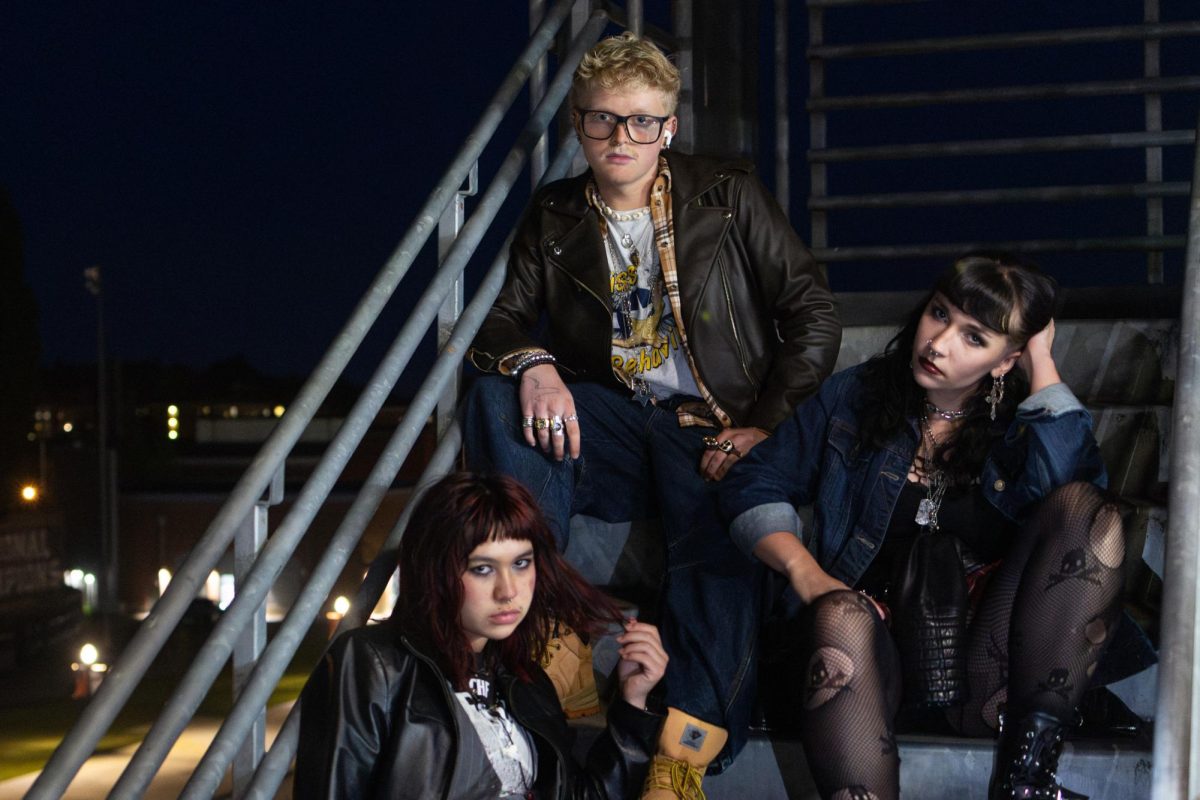
Distressed denim, layered flannels, and heavy boots, such as Doc Martins, were ‘90s staples.
Grunge also drew on elements of ’80s punk rock fashion, such as the androgynous style and DIY flair.
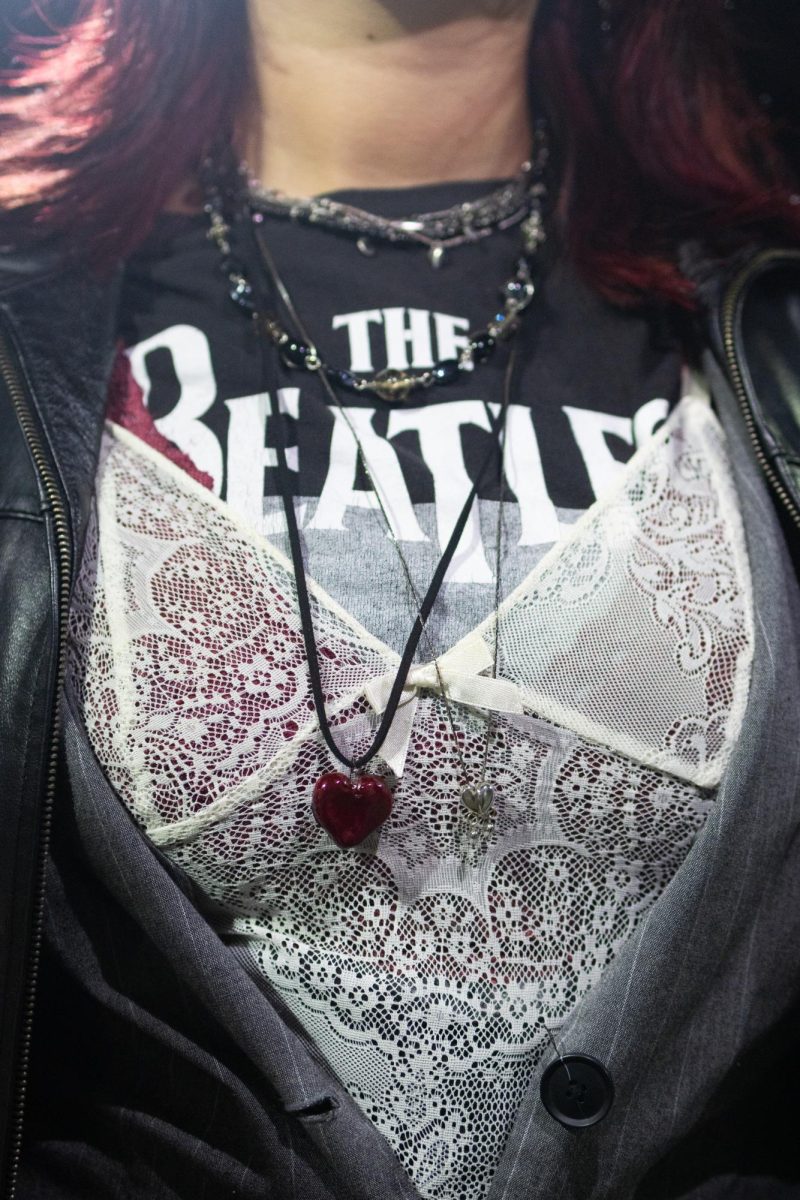
Female artists like Courtney Love mixed feminine and romantic clothing with masculine styles, pairing slip and baby-doll dresses with flannels and distressed tees.
“I think the most unique parts of grunge is how upcycled it is by nature. Nothing about grunge makes me want to go to the mall and look for new clothes to fit the style or order it online, you kind of have to thrift or make all the coolest grunge clothes, you can’t just buy it. I feel a major part of grunge is the way there’s a piece of the people wearing them in clothes themselves, because everyone does it differently. It’s SO cool to me,” said CT.
Grunge fans rejected established fashion but, in the process, created an iconic movement of their own.